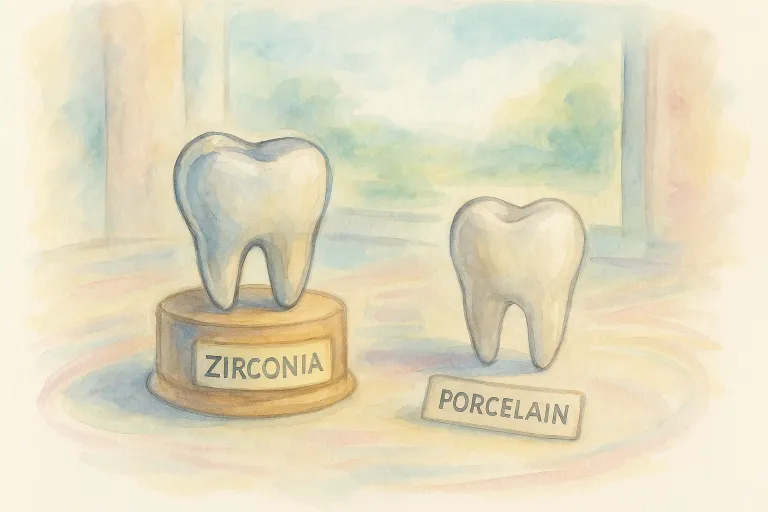
Zirconia has become one of the most widely used materials in modern restorative dentistry. Known for its strength, durability, and versatility, zirconia is commonly selected for crowns in both posterior and anterior applications.
This guide explains what zirconia crowns are, how different zirconia materials vary, why zirconia is used so extensively today, and how material selection affects strength, esthetics, and long-term performance. Understanding these factors helps set realistic expectations and supports better restorative outcomes.
Zirconia Crowns Overview
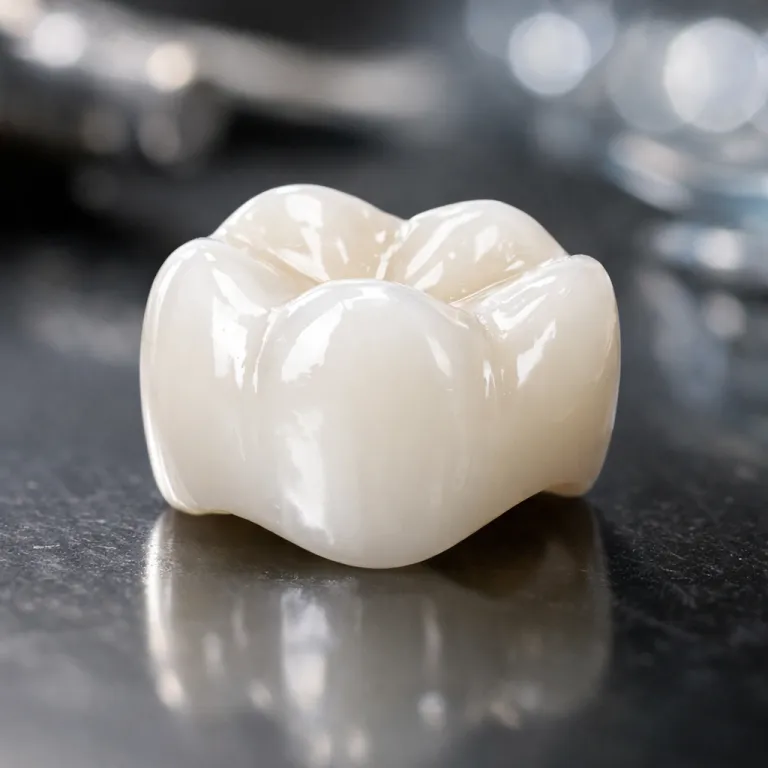
Zirconia crowns are restorations fabricated from zirconium dioxide, a ceramic material engineered for dental use. Unlike traditional porcelain-fused-to-metal crowns, zirconia crowns are metal-free and can be designed as monolithic restorations or layered for enhanced esthetics.
Zirconia's physical properties allow it to withstand high biting forces while maintaining structural stability. These characteristics make it suitable for a wide range of restorative situations, from single-unit crowns to multi-unit bridges.
Its popularity is driven by a combination of strength, predictability, and compatibility with digital workflows. The material performs well under functional loads and is less prone to fracture compared to many traditional ceramics. It is also well suited for CAD/CAM manufacturing, allowing crowns to be designed and milled with a high degree of consistency.
Material Properties: Strength & Esthetics
One of zirconia's defining characteristics is its strength. Compared to other ceramic materials, zirconia offers high fracture resistance, making it particularly useful in posterior regions where biting forces are greatest. This strength allows many zirconia crowns to be fabricated as monolithic restorations, reducing the risk of chipping associated with layered ceramics.
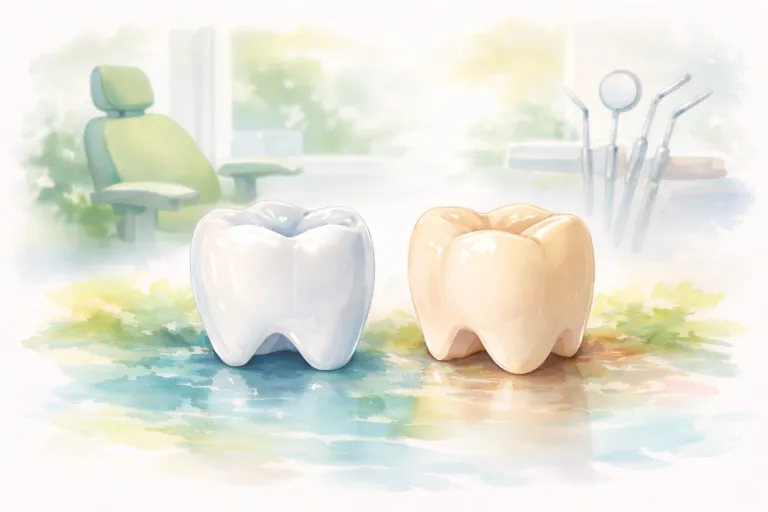
Advances in zirconia formulations have improved translucency, making the material more suitable for esthetic applications. Modern zirconia is available in varying translucency levels, allowing clinicians and labs to balance strength and appearance based on case requirements. More translucent zirconia can improve esthetics in visible areas, while higher-strength formulations may be preferred where functional stress is greatest.
Materials and Design Choices
Not all zirconia materials are the same. Variations in composition and processing result in differences in strength, translucency, and intended use. Some formulations prioritize maximum strength and are commonly used in posterior restorations. Others are engineered to enhance translucency and are better suited for anterior or highly esthetic cases.
Monolithic zirconia crowns are milled from a single block and rely on staining and glazing for characterization. They're valued for their strength and reduced risk of chipping. Layered zirconia crowns use zirconia as a substructure with porcelain layered on top to enhance esthetics — improving visual outcomes in some cases, but introducing additional considerations around porcelain durability and design. The choice depends on functional demands, esthetic priorities, and clinical judgment.
Manufacturing and Clinical Considerations
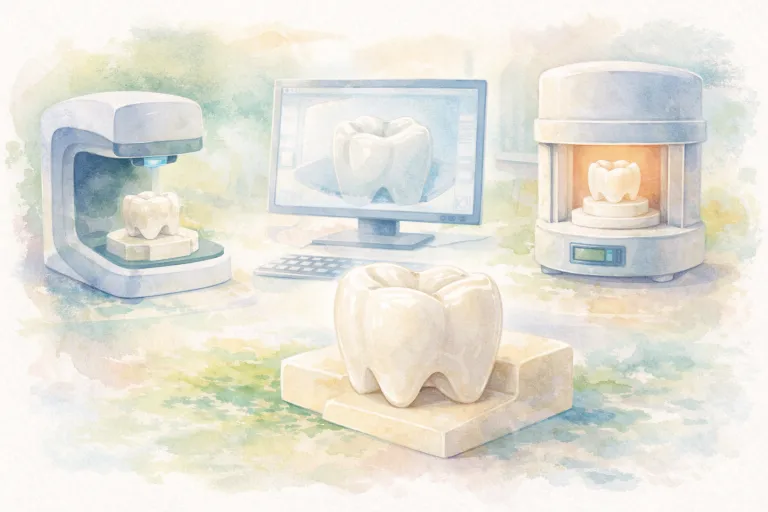
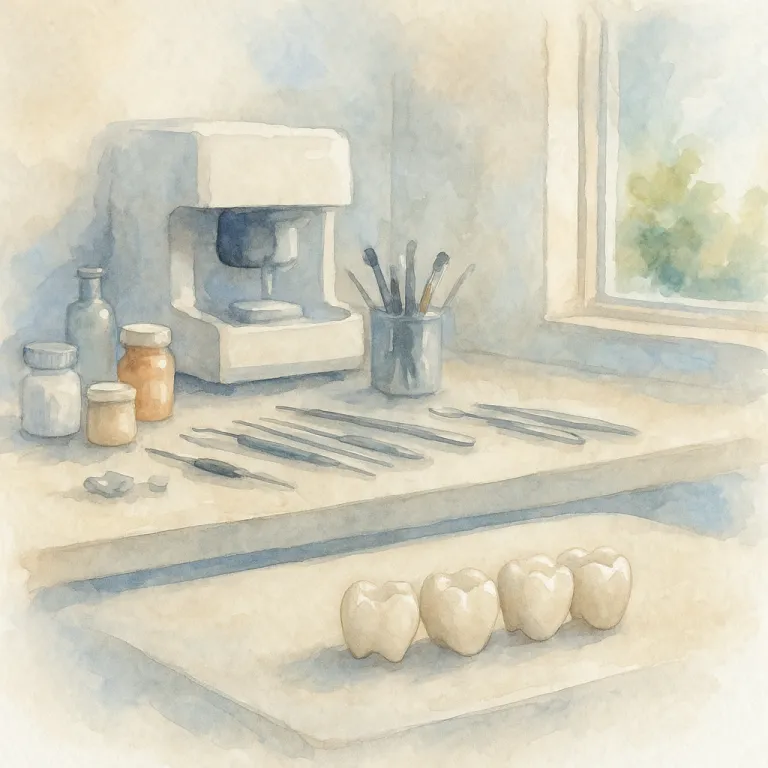
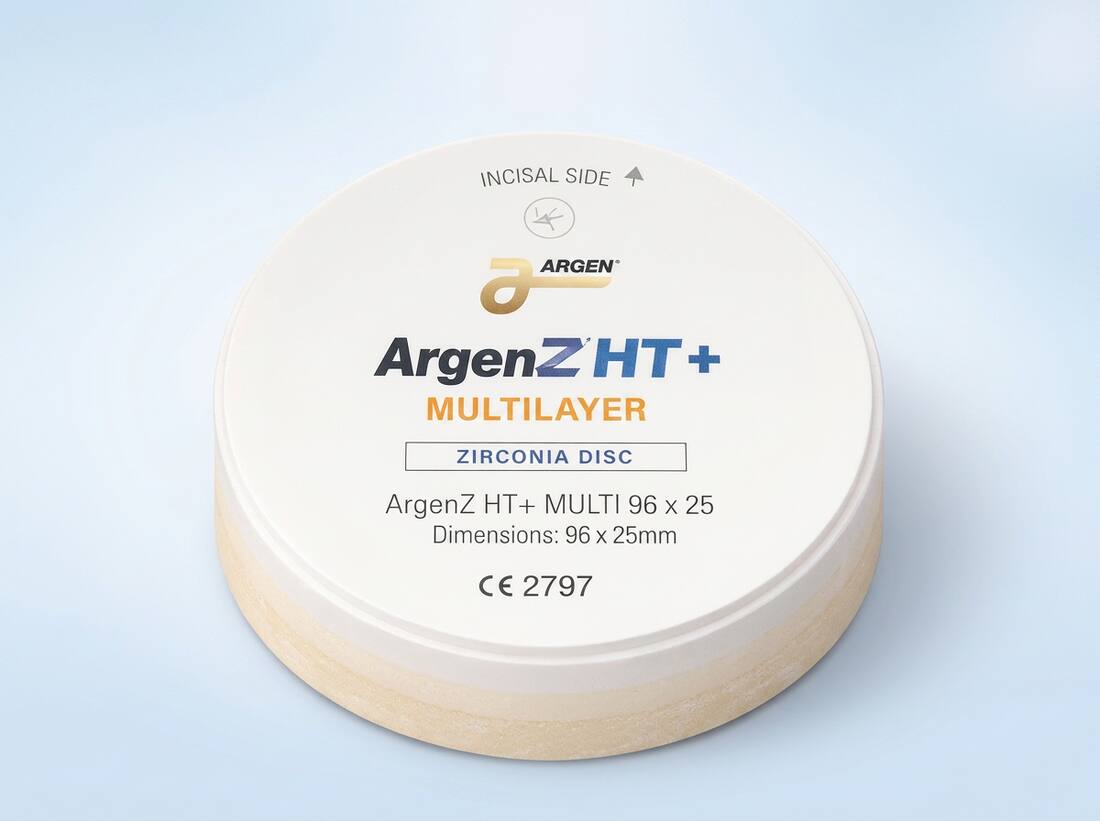
Zirconia crowns are typically produced using digital workflows. After a digital impression is captured, the restoration is designed in CAD software and milled from a zirconia blank. Following milling, the crown is sintered, a process that densifies the material and gives it final strength. Finishing steps such as staining, glazing, or polishing complete the restoration — each stage influencing fit, strength, and surface characteristics.
Surface finish plays an important role in how zirconia interacts with opposing teeth. Properly finished zirconia surfaces minimize wear on opposing dentition while maintaining durability. Polishing and glazing techniques influence smoothness and long-term performance.
When properly designed, fabricated, and placed, zirconia restorations offer predictable durability and stability. Longevity depends on material selection, crown design, occlusion, and patient-specific habits such as grinding or clenching.
Common Misconceptions
A common misconception is that all zirconia crowns look the same. In reality, zirconia materials vary significantly in translucency and esthetic potential. Another is that zirconia's strength eliminates the need for careful design — when proper preparation and occlusal considerations remain critical.
It is also sometimes assumed that zirconia is suitable for every case without limitation. While versatile, zirconia must still be selected and designed appropriately to match clinical needs.