
Zirconia vs E.max Crowns: Best Choice by Tooth Position
Dental crowns are a core component of restorative dentistry, but selecting the appropriate material depends heavily on tooth position and functional demand. The decision between Zirconia vs E.max Crowns is not universal. Each material offers distinct advantages based on whether the restoration is placed in the anterior or posterior region.
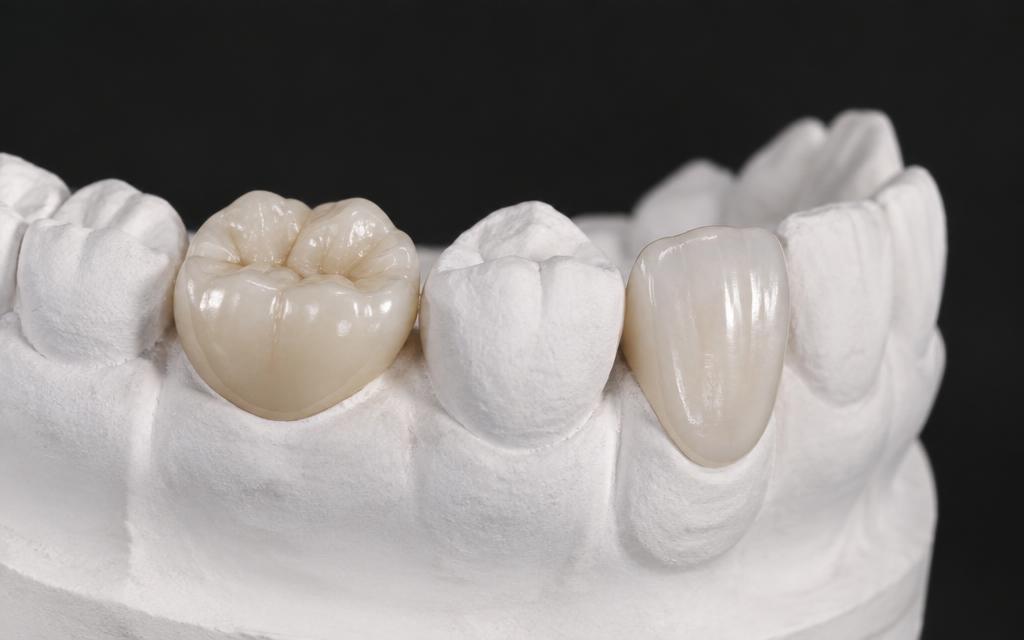
Posterior teeth are exposed to higher occlusal forces and repetitive chewing stress, making strength and fracture resistance critical considerations. In these areas, zirconia crowns are often preferred for their durability. E.max crowns, by contrast, are commonly selected for anterior teeth, where translucency and natural appearance are prioritized.
Choosing crown material based on tooth position supports long-term function, aesthetics, and patient satisfaction.
Durability and Functional Demands of Crown Materials
Material selection plays a central role in crown longevity. Posterior teeth must withstand significant mechanical forces during mastication, requiring materials with high fracture resistance and structural stability. Zirconia crowns are well suited for these demands due to their strength and resistance to wear.
E.max crowns offer strong mechanical properties but are generally less tolerant of high occlusal stress compared to zirconia. For this reason, their use in posterior regions is often limited to carefully selected cases.
Regular clinical evaluations remain essential for monitoring crown integrity and occlusion, regardless of material choice. Early identification of wear or functional imbalance supports long-term restorative success.
Key Factors in Crown Selection
-
Tooth function: Occlusal load and chewing dynamics
-
Aesthetic requirements: Visibility and translucency needs
-
Patient factors: Bite force, parafunctional habits, and expectations
Aesthetic Considerations for Anterior Teeth
Anterior teeth play a prominent role in smile design and facial harmony. Because incisors and canines are highly visible during speech and smiling, aesthetics often take precedence in material selection.
E.max crowns are frequently chosen for anterior restorations due to their enamel-like translucency and ability to closely replicate natural tooth structure. These properties allow for seamless integration with adjacent teeth, contributing to improved patient confidence and satisfaction.
Clinical observations consistently show that well-matched anterior restorations positively influence self-esteem and perceived smile quality.
The Importance of Color and Alignment
Color matching and alignment are critical components of successful anterior restorations. Accurate shade selection and proper contouring help ensure the crown blends naturally with surrounding dentition.
Careful planning and execution are necessary to maintain visual harmony, particularly in high-smile-line patients where even minor discrepancies can be noticeable.
Strength Requirements for Posterior Tooth Restorations
Posterior teeth are responsible for the majority of chewing and grinding forces, making material strength a primary concern. Zirconia crowns perform well in these high-load environments due to their resistance to fracture and long-term structural stability.
Patient-specific considerations such as bruxism, bite force, and occlusal scheme should be evaluated when selecting materials for posterior restorations. In many cases, zirconia provides the most predictable long-term outcome for molars and premolars.
Material Selection and Clinical Performance
Selecting the appropriate crown material requires balancing functional demands with aesthetic goals. Zirconia offers exceptional durability and is often favored for posterior restorations, while E.max provides superior optical properties for anterior teeth.
Understanding these distinctions allows clinicians to align material choice with clinical indications, reducing the risk of failure and supporting consistent performance over time.
Long-Term Outcomes of E.max Crowns
The long-term outcomes of E.max crowns demonstrate reliable performance when used in appropriate clinical scenarios. In anterior and low-stress posterior applications, E.max restorations maintain color stability and structural integrity over extended periods.
Clinical studies and long-term observations report:
-
Consistent aesthetic results
-
Low fracture rates when properly indicated
-
High levels of patient satisfaction
These outcomes highlight the importance of matching material selection to tooth position and functional demand.
Evaluating Crown Success by Tooth Position
A clear understanding of tooth morphology, occlusion, and functional load is essential when choosing between Zirconia vs E.max Crowns. Each material performs best when used within its ideal indications.
Zirconia remains the preferred choice for posterior restorations requiring maximum strength, while E.max excels in anterior regions where aesthetics are paramount.
For additional guidance on crown materials, restorative planning, and long-term performance considerations, explore our Dental Education Hub, where related topics are covered in greater depth to support informed clinical decision-making and predictable restorative outcomes.
Looking for more? Browse our full library of dental education resources.
Back to Education Center