
Types of Dental Crowns: A Guide to Restorative Options
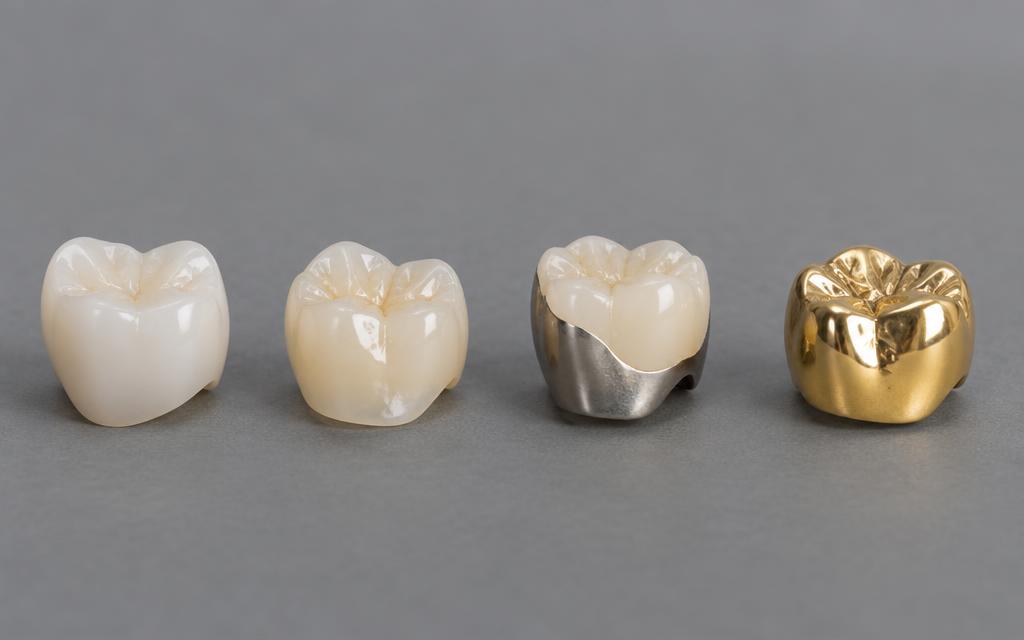
Dental crowns are a cornerstone of restorative dentistry, protecting weakened teeth, restoring function, and enhancing aesthetics. Patients today have several options to choose from, each offering unique advantages in strength, appearance, and longevity.
This guide explores the types of dental crowns most commonly recommended—porcelain, ceramic, metal, and zirconia—while highlighting why zirconia crowns have become a leading choice in modern dental care.
Porcelain Crowns: Aesthetic Excellence
Porcelain crowns are known for their natural look. Their ability to mimic tooth enamel makes them especially popular for visible teeth, such as incisors and canines. Porcelain reflects light similarly to natural enamel, allowing for seamless blending with a patient’s smile.
Best use cases:
-
Fractured or damaged front teeth
-
Cosmetic-focused restorations
Pros:
-
Superior aesthetic appeal
-
Highly lifelike translucency
Cons:
-
More prone to chipping than stronger materials
-
Not ideal for patients with heavy bite forces
Ceramic Crowns: Natural Appearance With Versatility
Ceramic crowns also deliver a lifelike look and are valued for their biocompatibility, making them suitable for patients with metal sensitivities. Their strength makes them an upgrade over porcelain alone, while still maintaining an aesthetic advantage.
Best use cases:
-
Patients with metal allergies
-
Anterior and premolar restorations where appearance matters
Pros:
-
Close color match to natural teeth
-
Good balance of strength and esthetics
Cons:
-
Less durable than zirconia or metal in high-stress areas
-
Can wear down opposing teeth if not polished properly
Metal Crowns: Strength for High-Stress Areas
Metal crowns, often made from gold or base-metal alloys, have been a trusted option for decades. They withstand chewing forces better than almost any other material, making them ideal for molars. However, their metallic appearance limits their use in visible areas.
Best use cases:
-
Back molars
-
Patients with severe bruxism (teeth grinding)
Pros:
-
Exceptional durability
-
Rarely chip or fracture
-
Long lifespan (10–15+ years with proper care)
Cons:
-
Metallic color is highly noticeable
-
Less commonly chosen for cosmetic reasons
Zirconia Crowns: The Modern Standard
Zirconia crowns represent the next generation of restorative dentistry. Made from high-strength ceramic, they combine the durability of metal with the natural appearance of porcelain or ceramic. Their resistance to chipping and cracking makes them particularly valuable for both front and back teeth.
Why Zirconia Crowns Stand Out:
-
Strength & Longevity: Highly resistant to fractures, even in patients with heavy bite pressure.
-
Aesthetics: Modern multilayered zirconia can be shaded and polished to closely mimic natural teeth.
-
Precision Fit: Digital workflows and CAD/CAM technology ensure accurate fabrication, reducing chair time and improving comfort.
-
Versatility: Suitable for both anterior (front) and posterior (back) restorations.
Best use cases:
-
Patients needing both strength and a natural look
-
Complex restorations or cases involving multiple teeth
Pros:
-
Exceptional durability, often outlasting other materials
-
Natural appearance with customizable shades
-
Suitable across the full arch of the mouth
Cons:
-
Slightly higher cost compared to traditional options
-
Requires advanced lab technology for optimal results
How to Care for Any Dental Crown
Regardless of crown type, proper maintenance ensures longevity:
-
Brush twice daily with a soft-bristle toothbrush and non-abrasive toothpaste
-
Floss carefully around the crown margins
-
Avoid chewing hard foods (ice, hard candy) that could damage the restoration
-
Schedule regular dental check-ups for professional evaluation
Comparing the Types of Dental Crowns
| Crown Type | Strength | Aesthetics | Best Location | Typical Lifespan |
|---|---|---|---|---|
| Porcelain | Moderate | Excellent (front teeth) | Front teeth | 5–10 years |
| Ceramic | Good | Excellent | Front & premolars | 10–12 years |
| Metal | Excellent | Poor (metallic look) | Back molars | 10–15+ years |
| Zirconia | Exceptional | Excellent | Front & back teeth | 15–20+ years |
Choosing the Right Type of Dental Crown
The best crown depends on your dental needs, aesthetic goals, and lifestyle. While porcelain and ceramic crowns excel in beauty, and metal crowns remain a dependable option for molars, zirconia crowns strike the best balance between strength, aesthetics, and longevity.
Modern digital dental labs, such as ThreeD Smiles, use zirconia to deliver restorations that are both durable and visually indistinguishable from natural teeth. For many patients, this makes zirconia the leading choice among today’s types of dental crowns.
Looking for more? Browse our full library of dental education resources.
Back to Education Center