
Choosing the right material for your dental crown is a decision that affects both aesthetics and long-term function. Among the most common options, zirconia and porcelain crowns stand out, each offering distinct benefits for different patient needs. This guide compares their strengths, limitations, and fabrication methods so you can make an informed choice.
Material Strength: Zirconia vs. Porcelain
When it comes to durability, zirconia crowns are unmatched. They are highly resistant to chipping and wear, making them ideal for patients who grind their teeth (bruxism) or need crowns in high-bite-force areas such as molars.
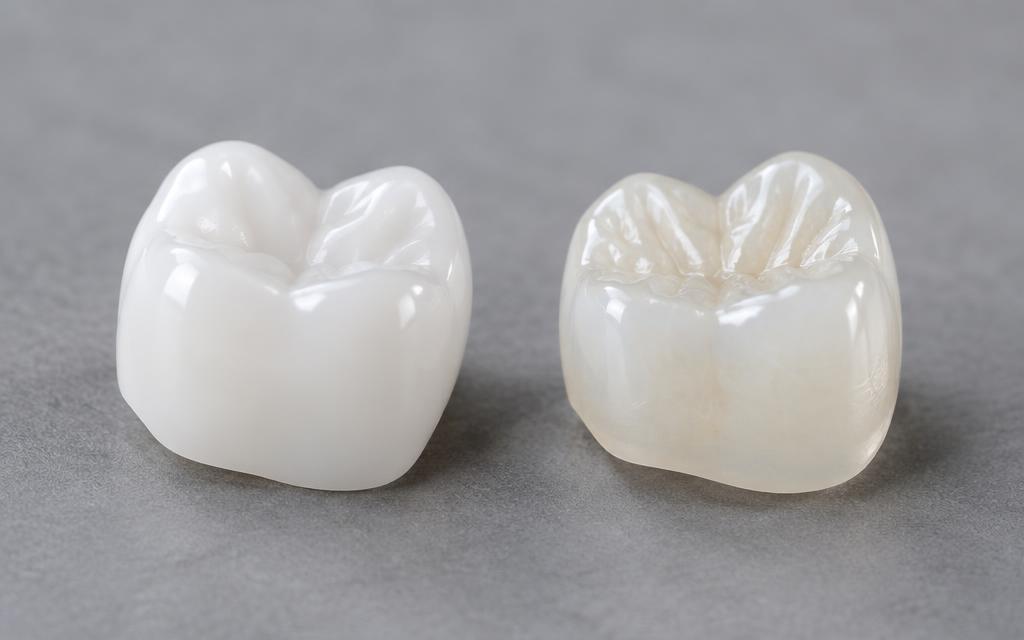
Porcelain crowns, on the other hand, excel in aesthetics. They closely resemble natural teeth with lifelike translucency but may be less resistant to fractures under stress.
Case in Point: In a study of bruxism patients, zirconia crowns showed significantly fewer fractures than porcelain, underscoring the importance of matching material strength to clinical needs.
Aesthetics and Translucency
For visible front teeth, translucency often determines patient satisfaction. Porcelain crowns typically provide superior translucency, mimicking the way natural enamel reflects and transmits light.
Zirconia crowns are less translucent but continue to improve with modern formulations. Many dentists now use layered or high-translucency zirconia to balance strength with a more natural look.
Tips for Achieving Natural Aesthetics:
-
Use digital shade-matching systems for precision.
-
Involve patients in shade selection to boost confidence and satisfaction.
-
Consider lighting conditions, as translucency can change under different settings.
Durability and Longevity
Durability directly impacts replacement frequency and long-term costs.
-
Zirconia: Longer lifespan, fewer fractures, lower failure rate.
-
Porcelain: Excellent esthetics, but may require more frequent replacements.
Patient education also plays a role in crown longevity:
-
Regular check-ups to assess crown fit and wear.
-
Occlusal adjustments to reduce stress.
-
Proper oral hygiene to maintain gum health.
Fact: Studies show patients with zirconia crowns experience fewer remakes and report higher trust in their restorations.
Zirconia vs. Porcelain at a Glance
| Factor | Zirconia Crowns | Porcelain Crowns |
|---|---|---|
| Strength | Extremely durable, ideal for molars & bruxism | More prone to chipping under heavy bite forces |
| Aesthetics | Opaque but improving with high-translucency options | Excellent translucency, highly natural-looking |
| Longevity | Long-lasting, fewer replacements | May need earlier replacement |
| Best Use Cases | Back teeth, high-stress zones | Front teeth, visible smiles |
Modern Fabrication Techniques
Digital dental labs are transforming crown production through CAD/CAM technology and CNC milling, offering:
-
Faster turnaround times — up to 50% quicker than traditional methods.
-
High precision — tolerances as tight as ±0.1 mm.
-
Less waste — up to 30% material savings.
These techniques ensure crowns fit more accurately, reduce manual errors, and provide patients with restorations that look and feel natural.
Making the Right Choice
Both zirconia and porcelain crowns have their place in modern dentistry:
-
Choose zirconia if you prioritize strength, longevity, and reliability under stress.
-
Choose porcelain if you want maximum translucency and a highly natural appearance in visible areas.
Ultimately, the right choice depends on your clinical needs, bite strength, and aesthetic goals. Consulting with your dentist ensures that your crown not only restores function but also enhances your smile with long-lasting results.
Read More:
Looking for more? Browse our full library of dental education resources.
Back to Education Center