
Zirconia has evolved significantly over the last decade, giving dentists more flexibility in balancing strength, translucency, and esthetics when prescribing restorations. The most common way zirconia is categorized today is by yttria content, typically referred to as 3Y, 4Y, and 5Y zirconia. Each formulation behaves differently in both mechanical performance and optical appearance, which directly impacts where and how it should be used clinically.
Understanding these differences is essential for predictable outcomes, especially as monolithic zirconia continues to replace layered ceramics in both anterior and posterior indications.
Understanding Yttria Content in Zirconia
The “Y” designation refers to the percentage of yttria used to stabilize zirconium dioxide. As yttria content increases, the crystal structure shifts, altering both translucency and strength.
Lower yttria zirconia contains more tetragonal phase crystals, which provide transformation toughening and higher fracture resistance. Higher yttria zirconia contains more cubic phase crystals, which allow more light transmission but reduce mechanical strength.
This tradeoff is the foundation of all clinical decision-making between 3Y, 4Y, and 5Y zirconia.
3Y Zirconia: Maximum Strength, Limited Translucency
3Y zirconia remains the strongest of the commonly used zirconia materials. Its high flexural strength and fracture resistance make it well suited for high-load environments, including posterior crowns, bridges, and patients with parafunctional habits.
However, 3Y zirconia is the least translucent of the three categories. While modern multilayer blanks and improved shading techniques have expanded its esthetic range, it still does not mimic natural enamel as closely as higher yttria options.
Clinically, 3Y zirconia is often selected when durability is the primary concern and esthetics are secondary.
4Y Zirconia: The Functional–Esthetic Middle Ground
4Y zirconia occupies the middle ground between strength and translucency. It offers noticeably improved optical properties compared to 3Y while retaining enough strength for most posterior and many anterior applications.
For many full-contour crowns, especially in premolar regions or esthetically demanding posterior cases, 4Y zirconia provides a practical balance. It allows for better light diffusion and shade blending without the significant strength tradeoffs seen in 5Y formulations.
This makes 4Y zirconia a common choice for dentists seeking versatility without committing to a purely anterior or purely posterior material.
5Y Zirconia: High Translucency, Reduced Strength
5Y zirconia is the most translucent zirconia available and is often chosen for anterior restorations where esthetics are the top priority. Its higher cubic phase content allows light to pass through the restoration more naturally, producing enamel-like results in well-planned cases.
The tradeoff is reduced flexural strength and fracture resistance compared to 3Y and 4Y zirconia. While still stronger than many glass ceramics, 5Y zirconia is less forgiving under high occlusal forces and is generally avoided for molars, long-span bridges, or bruxing patients.
When used appropriately, 5Y zirconia excels in anterior crowns, veneers, and low-stress esthetic restorations.
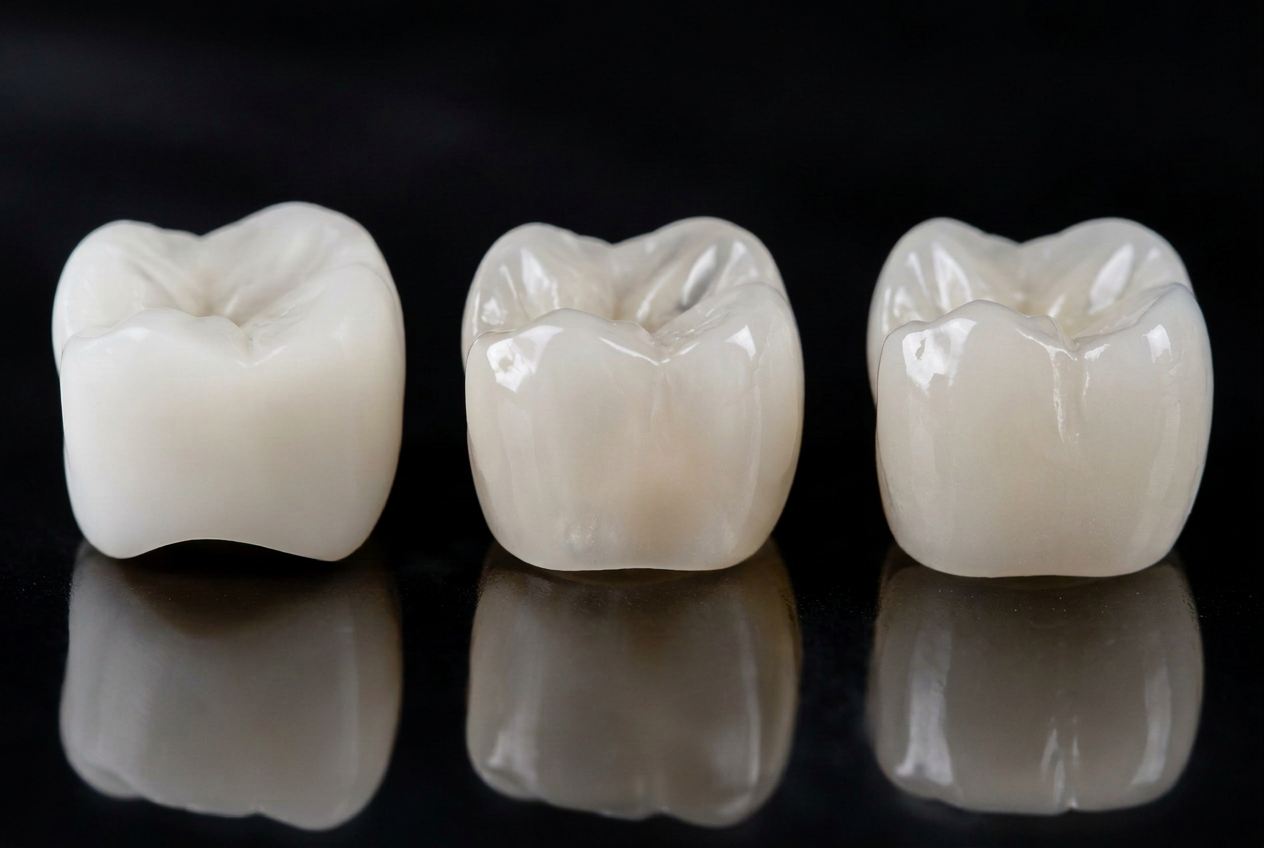
Strength vs Translucency: Clinical Tradeoffs That Matter
Strength and translucency are inherently linked in zirconia due to its crystal structure. Increasing translucency always comes at the expense of mechanical strength, which means no single zirconia type is ideal for every case.
Posterior restorations demand resistance to fracture and wear under high bite forces. Anterior restorations demand light transmission, shade blending, and surface polish that mimics natural enamel. Selecting zirconia without considering these competing demands increases the risk of chipping, fracture, or esthetic dissatisfaction.
Successful treatment planning requires aligning material selection with occlusal load, restoration size, patient habits, and esthetic expectations.
Digital Workflows and Zirconia Performance
Modern digital workflows have significantly improved how zirconia restorations are designed and manufactured. CAD/CAM design allows for precise control of thickness, emergence profiles, and occlusal contacts, all of which directly affect strength and longevity.
Advanced milling strategies and controlled sintering protocols further enhance the performance of each zirconia type. When paired with a digital dental lab experienced in handling multiple zirconia formulations, dentists can reliably prescribe different materials for different indications without sacrificing consistency or turnaround time.
Choosing the Right Zirconia for Crown Restorations
There is no single “best” zirconia for all crowns. The correct choice depends on the clinical situation and the patient’s priorities.
3Y zirconia is best suited for high-stress posterior cases where durability is critical.
4Y zirconia offers a balanced option for cases requiring both strength and improved esthetics.
5Y zirconia is ideal for anterior restorations where translucency and visual integration are paramount.
Many modern zirconia systems from manufacturers such as BruxZir, Zirlux, and Emergence offer multiple yttria options within the same product line, making material selection more flexible without changing workflows.
Clear communication with the lab regarding shade, finish, occlusal considerations, and restoration location ensures the chosen zirconia performs as intended.
Final Takeaway
3Y, 4Y, and 5Y zirconia each serve distinct clinical purposes. Strength and translucency exist on a continuum, and understanding where each material falls on that spectrum is essential for predictable outcomes.
When zirconia selection is matched correctly to function, esthetics, and patient-specific factors, it delivers durable, highly esthetic restorations that perform well within modern digital dental workflows.
For deeper clinical insights, material comparisons, and digital workflow guidance, explore our full Education Hub to continue learning about zirconia crowns, restorative materials, and modern dental lab processes.
Looking for more? Browse our full library of dental education resources.
Back to Education Center