
The longevity of a dental crown is essential for maintaining optimal dental health. Typically, the lifespan of a dental crown is between 5 to 15 years, depending on various factors, including material, hygiene habits, and daily usage.
Crowns play a pivotal role in dental restoration, ensuring the preservation of both oral functionality and aesthetic appeal.
Regular monitoring and timely intervention upon noticing any signs of wear can significantly enhance their lifespan, ensuring that your dental restoration effectively meets your functional and aesthetic requirements.
Factors Affecting Longevity Of Crowns
Several elements contribute to the durability and overall lifespan of dental crowns.
Proper oral hygiene practices, including brushing and flossing, are fundamental in preventing decay around the crown, thereby prolonging its lifespan. Material selection significantly influences clinical performance; for instance, porcelain crowns offer superior aesthetic appeal, while zirconia crowns are known for exceptional wear resistance.
“Routine dental checkups are paramount to monitor the condition of your crowns, identifying any potential issues early to ensure optimal maintenance and longevity. ”
Oral Hygiene and Crown Durability
Effective oral hygiene practices directly contribute to the longevity of crowns.
Regular dental care, inclusive of daily brushing and flossing, diminishes the likelihood of decay around the restoration.
Consistent maintenance supports tooth preservation and bonding strength, factors vital in enhancing the functional lifespan of dental crowns.
Material Selection and Its Implications
Choosing the right dental materials for crowns is another influential factor.
For instance, while ceramic crowns are praised for their aesthetic appeal, metal-ceramic options may provide enhanced fracture toughness and bonding strength. Digital labs specializing in dental milling often employ CAD/CAM technology, ensuring precision in the manufacturing process and improving the clinical performance of crowns.
Impact of Diet on Crown Longevity
Dietary choices can significantly affect the integrity of dental crowns.
Hard foods, such as ice and candies, can lead to fractures, while nutritious options like crunchy vegetables can contribute positively to oral health. Adapting your diet with crown preservation in mind can be beneficial.
Ultimately, routine checks with your dentist facilitate the early detection of any issues, ensuring that crowns remain functional and aesthetically pleasing over time.
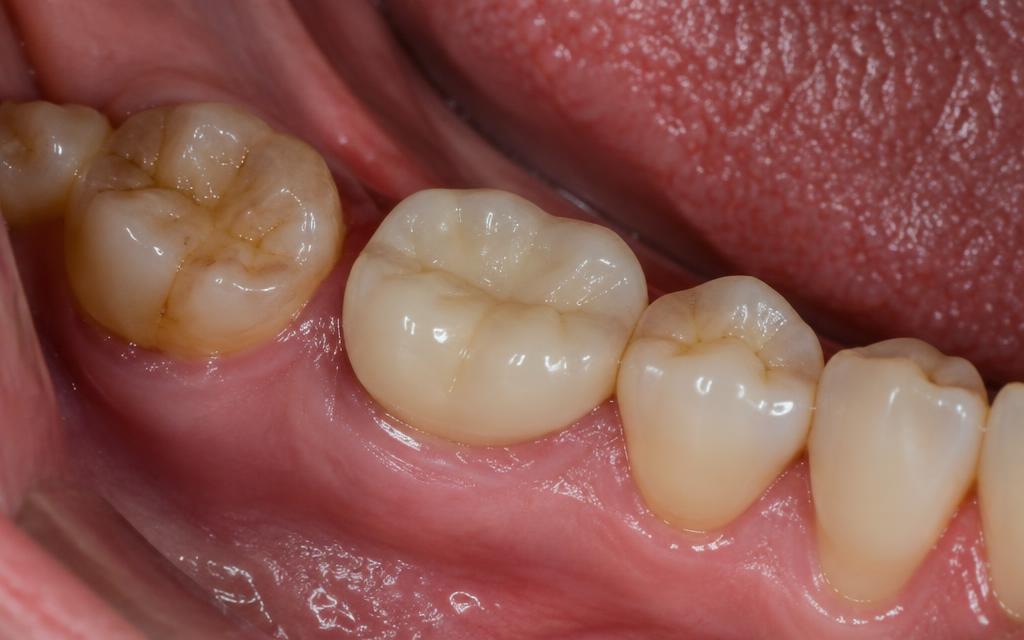
How Maintenance Impacts Dental Restoration Lifespan
Effective maintenance strategies significantly influence the longevity of dental restorations. Proactive care not only helps to minimize deterioration but also enhances the clinical performance of various dental appliances, including ceramic crowns and dentures.
Proper cleaning methods, such as brushing with fluoride toothpaste and utilizing soft-bristle toothbrushes, play an essential role in sustaining oral hygiene.
Regular professional cleanings provide a deep cleanse, removing tartar and plaque, and help identify potential issues early.
To optimize results, maintaining a routine that includes brushing twice daily and scheduling professional cleanings every six months is highly recommended.
This consistent routine helps ensure the durability and health of your dental restorations.
Understanding Material Selection For Durability
Material selection directly affects both durability and aesthetic appeal in dental restorations. Various factors influence choices, with different materials offering unique advantages and disadvantages.
For example, while porcelain crowns provide elegance, they may not always meet the demands of durability compared to alternatives.
Pros and Cons of Common Materials
- Porcelain: Aesthetic appeal but lower wear resistance.
- Zirconia: Offers high strength and is ideal for posterior teeth.
- Metal-ceramic (PFM): Balances strength and aesthetics.
- Resin-bonded crowns: Less invasive, suitable for cosmetic dentistry.
Emerging materials such as lithium disilicate are becoming increasingly popular due to their exceptional fracture toughness and aesthetic longevity. Consulting with your dentist offers personalized recommendations on material selection, ensuring the chosen restoration aligns with your needs and lifestyle while achieving a balance of aesthetics and functional longevity.
Dental Restoration Maintenance
- Regular maintenance can extend the lifespan of dental restorations by preventing deterioration.
- Brushing twice daily with fluoride toothpaste significantly improves oral hygiene, benefiting dental appliances.
- Professional cleanings every six months can help identify potential dental issues before they become serious.
- Material selection impacts both the durability and aesthetic appeal of dental restorations, influencing long-term satisfaction.
What Enhances Aesthetic Appeal And Functionality
Enhancing aesthetic appeal and functionality is pivotal in achieving patient satisfaction in dental restorations. A key factor in this process is the ability to meet patients’ expectations through precise color matching and translucency.
Research indicates that restorations with exceptional aesthetic quality significantly improve treatment outcomes.
Digital dental labs streamline this process, allowing for accurate color matching and translucency, particularly in restorations such as zirconia crowns.
These advancements not only mimic the natural appearance of teeth but also increase functional longevity.
Technological Advancements in Aesthetics
Recent innovations in CAD/CAM technology play a crucial role in enhancing both aesthetics and functionality. The precision offered by these systems enables dental professionals to create restorations that closely resemble a patient’s natural dentition.
Through digital impressions, dental lab technicians can produce highly customized restorations with improved bonding strength and wear resistance. This technology significantly reduces manual errors and turnaround times for patients.
Case Study on Aesthetic Enhancements
A notable case study illustrates the impact of aesthetics on patient outcomes.
A patient underwent restoration with a zirconia crown after an endodontically treated tooth.
Post-treatment, the patient reported enhanced self-esteem and comfort due to the crown’s lifelike appearance that matched their surrounding teeth.
This highlights that merging aesthetic appeal with functionality not only elevates the quality of dental prosthetics but also ensures superior patient satisfaction and long-term success.
| Aesthetic Factors | Impact on Patient Satisfaction |
|---|---|
| Color Matching | Improves overall appearance of restorations |
| Translucency | Mimics natural teeth for enhanced realism |
| CAD/CAM Technology | Reduces manual errors and turnaround times |
| Zirconia Crowns | Offers high bonding strength and wear resistance |
Types Of Dental Caps Explained
Dental Crown Material Comparison Revealed
Looking for more? Browse our full library of dental education resources.
Back to Education Center