
A grasp of dental crown materials is essential for informed choices regarding aesthetics and longevity.
Dental crowns serve a vital purpose in restoring damaged teeth. These restorative solutions effectively cover and protect teeth that may be decayed, cracked, or worn.
This article simplifies the complexities of dental crown materials, guiding you in selecting the best option for your needs, including zirconia, porcelain, and metal.
Dental Crown Materials Overview
Various materials are utilized in dental crowns, each offering distinct advantages.
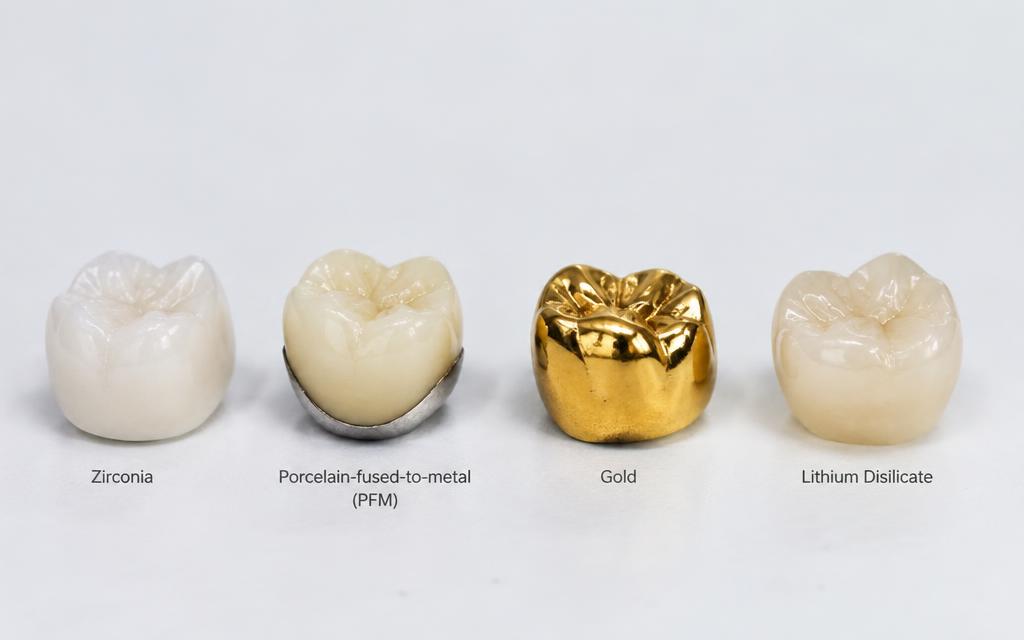
Below is a summary of the most common options for Dental Crown Materials:.
- Zirconia: Known for its durability and strength, zirconia crowns provide excellent resistance to fractures, making them suitable for high-stress areas.
- Porcelain: This material is highly aesthetic and can mimic natural tooth translucency, ideal for front tooth restorations.
- Metal: Traditionally used, metal crowns offer great strength and wear resistance, often used for posterior crowns where durability is paramount.
- Composite: A more affordable option, composite crowns provide good aesthetics but may not be as durable as other materials.
Understanding Zirconia Crowns Strength
The exceptional strength of zirconia crowns sets them apart from other materials, making them a popular choice among patients. This material’s durability allows it to withstand significant chewing forces better than porcelain or metal options. Zirconia’s unique properties enable it to resist fractures and maintain structural integrity over time.
Benefits of Zirconia Crowns
Zirconia crowns offer several advantages:.
- Biocompatibility: Zirconia is a biocompatible material, which means it integrates well within the body, minimizing the risk of allergic reactions.
- Translucency: The translucency of zirconia crowns closely resembles natural teeth, providing an aesthetic solution.
- Longevity: With proper care, zirconia crowns can offer remarkable longevity and clinical performance.
Maintenance Tips for Longevity
To maximize your zirconia crown’s lifespan, adhere to these practical maintenance tips:.
Regular dental check-ups are key to monitoring wear and addressing any issues early on. Maintain a diligent oral hygiene routine, including brushing and flossing, to keep your crown in optimal condition.
By investing time in proper care, patients can enjoy the numerous benefits of zirconia crowns for many years. Embrace the advantages of digital dental technology as well, which enhances crown fabrication and customization tailored to individual needs.
What Are The Benefits Of Porcelain Crowns
Porcelain crowns provide exceptional restorative dentistry solutions, offering patients a harmonious balance of aesthetics and functionality. These crowns mimic the appearance of real teeth, making them particularly suitable for visible areas.
With a high level of biocompatibility, porcelain is less likely to induce allergic reactions, making it the ideal choice for sensitive patients.
Porcelain crowns not only enhance patient satisfaction but also ensure a seamless integration with existing dental structures, promoting confidence in one’s smile.
When minimal tooth reduction is needed, porcelain proves to be a superior option, combining durability with an unparalleled natural look, especially in anterior crowns.
Porcelain’s translucency and customizable shade matching contribute significantly to its aesthetic appeal.
Aesthetic Considerations
The natural translucency of porcelain makes crowns appear lifelike, which is crucial in anterior restorations where esthetics play a predominant role.
This material allows for superior light transmission, enhancing the overall appearance.
Further, the option to customize shades with dental technicians ensures that crowns match other teeth closely, achieving a cohesive look for every smile.
Exploring Metal And Alloy Crown Options
Metal crowns offer unmatched durability, making them a reliable choice for various dental applications, especially in posterior regions.
Their composition often includes high-strength alloys that provide long-lasting performance.
Gold alloys are particularly noted for their strength and biocompatibility, making them suitable for patients requiring durable solutions.
Base metals also offer robust capabilities at lower costs, catering to diverse patient needs while maintaining functional integrity.
Advantages of Different Metal Compositions
When selecting an alloy, factors such as the crown’s location and the patient’s aesthetic preferences must be evaluated. Resin and composite options may also be available for patients prioritizing aesthetics over longevity.
Consulting with a dentist will offer optimal guidance on material selection, ensuring benefits align with both functional requirements and the individual’s esthetic desires.
Choosing the right metal composition not only enhances clinical performance but also impacts the longevity of the restoration.
Practical Advice for Selecting Alloys
Discussing the entire range of materials is essential for making an informed decision.
PFM crowns, which combine porcelain with metal, can provide both aesthetic appeal and durability, while pure metal options are robust for posterior crowns.
For any dental restoration, always consider the balancing act between durability, aesthetics, and the clinical performance required for each specific case.
Dental Crowns
- Porcelain crowns closely mimic the appearance of natural teeth, enhancing aesthetics in visible areas.
- Metal crowns, especially those made from gold alloys, offer exceptional durability and biocompatibility.
- Customizable shade matching for porcelain crowns allows for a seamless integration with existing teeth.
- PFM crowns combine the benefits of both porcelain and metal, providing a balance of aesthetics and strength.
How Does CADCAM Technology Enhance Crowns
The integration of CAD/CAM technology into dental practices profoundly transforms the creation of crowns. Digital impressions lead to precise replicas of a patient’s dentition, effectively minimizing the inaccuracies typically found in traditional molds.
Advanced milling machines are responsible for crafting crowns that boast exceptional fit and comfort, ensuring that occlusion is optimally achieved for each patient.
Faster production times are a hallmark of CAD/CAM systems, resulting in a streamlined treatment process.
Fewer visits to the dental office mean heightened patient satisfaction, making the experience more pleasant.
Real-time communication between dental labs and practitioners allows for quick adjustments and immediate feedback, enhancing the overall workflow.
- Digital scanning processes enable quick uploads of impressions, which leads to precision manufacturing that reduces manual errors.
- Enhanced clinical performance is achieved through the fabrication of crowns utilizing materials like zirconia and lithium disilicate, which guarantee durability and aesthetic appeal.
With CAD/CAM technology, restorations not only meet functional requirements but also fulfill esthetic needs. The longevity and wear resistance of materials utilized ensure that crowns maintain their integrity over time, providing patients with reliable and aesthetically pleasing solutions.
- CAD/CAM technology reduces the time required for crown production by up to 50% compared to traditional methods.
- Studies show that crowns made with CAD/CAM systems have a higher patient satisfaction rate due to better fit and comfort.
- Materials like zirconia and lithium disilicate used in CAD/CAM crowns are known for their strength and aesthetic qualities, often lasting over a decade.
- Digital impressions eliminate the discomfort and inaccuracies associated with traditional dental molds, enhancing the patient experience.
Affordable Dental Crowns Near Me Are Within Reach
Digital Dental Labs Transform Smiles
Looking for more? Browse our full library of dental education resources.
Back to Education Center