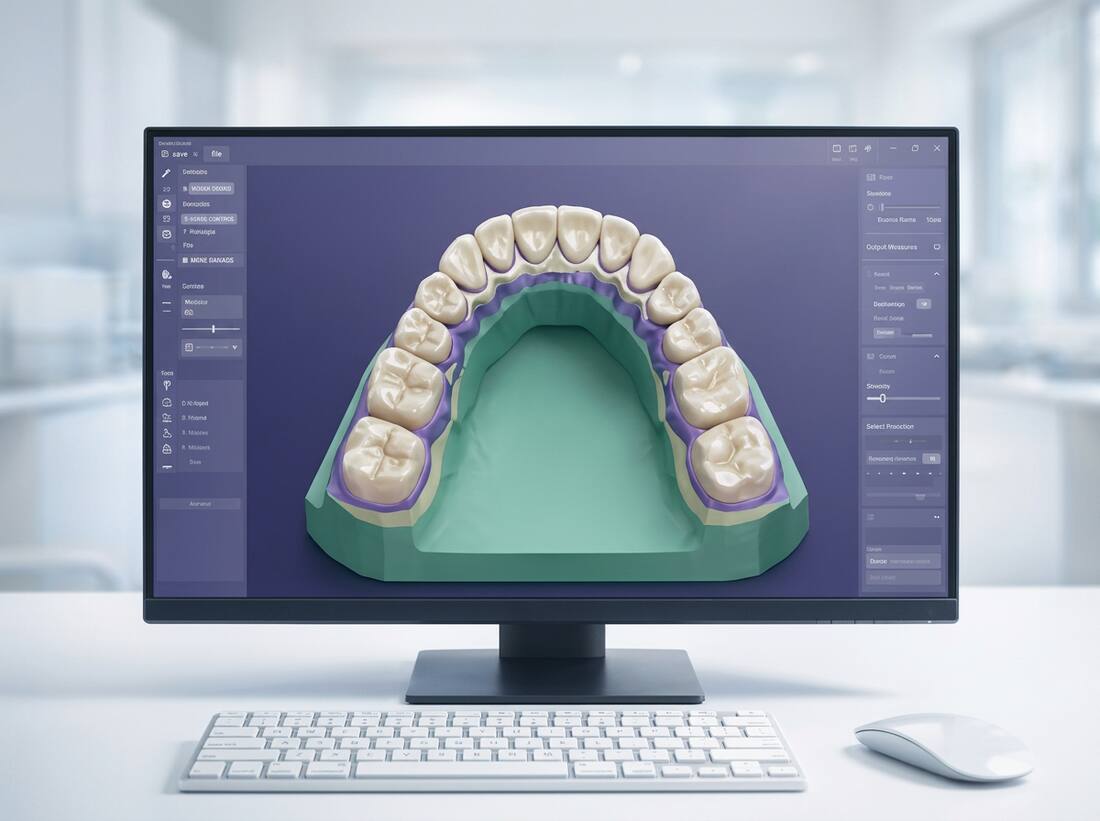
Digital dentistry has changed how dental restorations are planned, designed, and manufactured. By replacing many traditional analog steps with digital processes, modern workflows aim to improve consistency, efficiency, and communication between dental offices and laboratories.
This guide explains what digital dentistry actually involves, how intraoral scanning fits into the workflow, why scan quality matters, and where digital systems still rely heavily on proper technique and clinical judgment.
What Digital Dentistry Actually Means
Digital dentistry refers to the use of digital tools to capture clinical information, design restorations, and manufacture dental devices. Instead of relying on physical impressions and manual fabrication, digital workflows convert clinical data into digital models that can be evaluated, adjusted, and reproduced with precision.
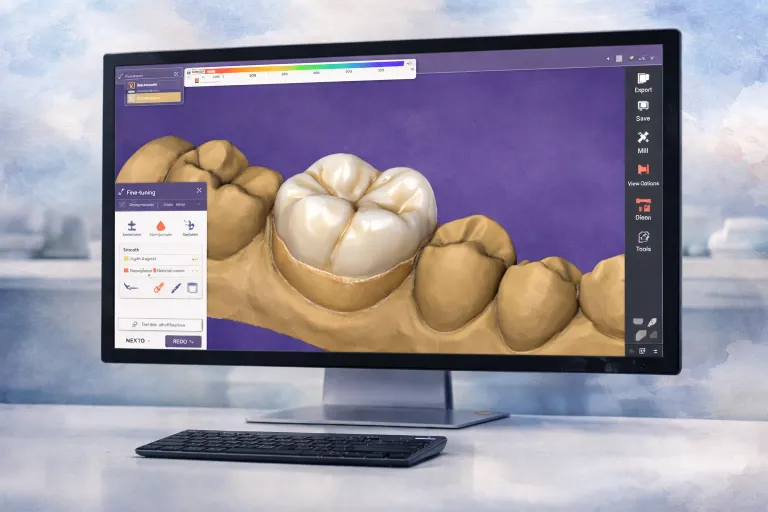
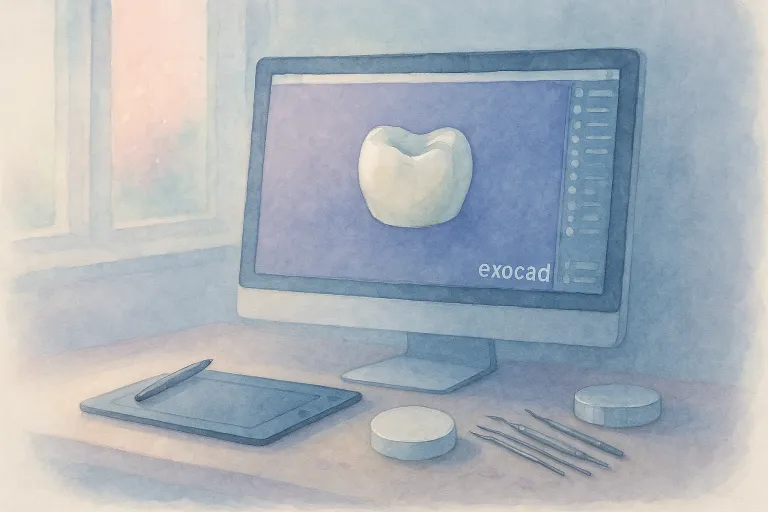
In practice, digital dentistry replaces physical impressions with digital scans, manual design with CAD software, and many analog manufacturing steps with automated milling or printing. Each stage of the workflow builds on the accuracy of the previous one, making data quality foundational to the final result.
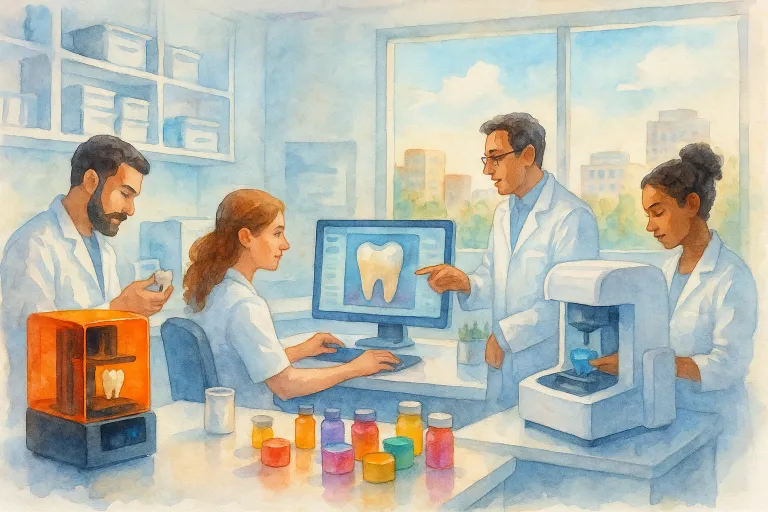
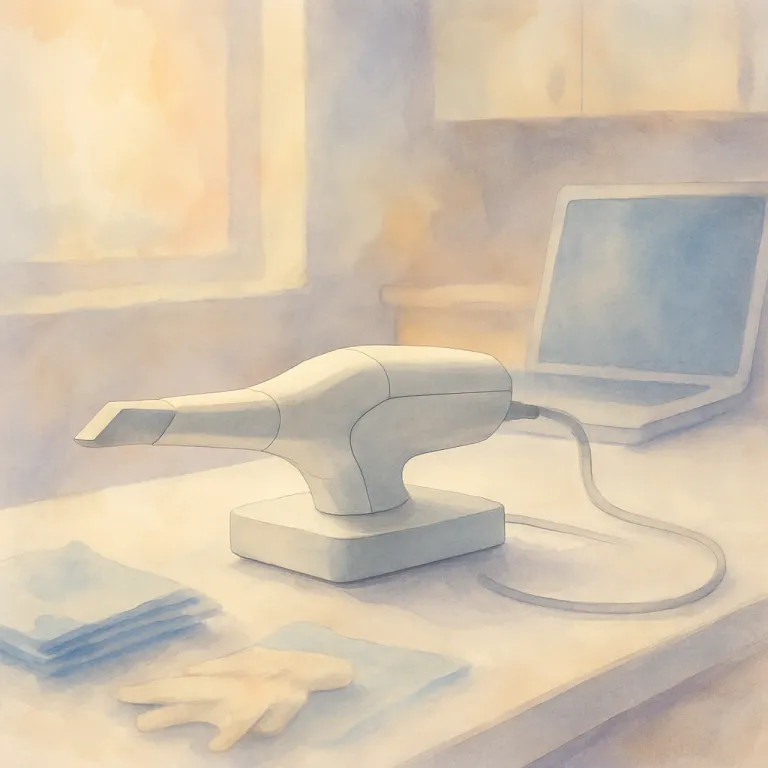
A typical workflow begins with capturing a digital impression using an intraoral scanner. That scan data is then used to design restorations in CAD software before being manufactured through CAM processes such as milling or printing. Although digital systems streamline many steps, they don't eliminate the need for careful execution.
The Role of Intraoral Scanning
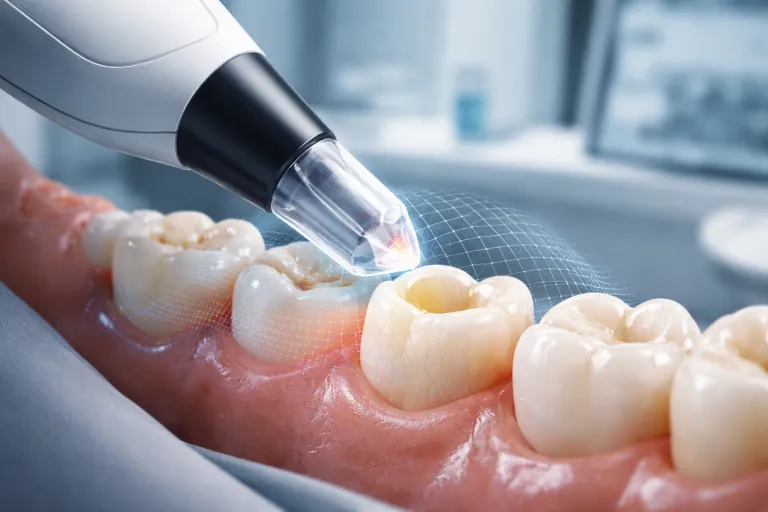
Intraoral scanners capture the three-dimensional geometry of the prepared tooth, surrounding dentition, and occlusion. This digital model becomes the reference for all downstream decisions, from margin design to occlusal contacts.
Scan quality directly affects crown fit, contact strength, and bite accuracy. While scanner technology continues to improve, operator technique and scan completeness often have a greater impact on outcomes than the specific device being used.
Digital Impressions vs Traditional Impressions
Both digital and traditional impressions aim to capture the same clinical information, but they differ in how that information is recorded and transferred.
Digital impressions reduce many sources of distortion associated with impression materials and allow clinicians to review and correct scans immediately. They also improve consistency and simplify communication with laboratories.
Traditional impressions can still be accurate when executed carefully, but they're more sensitive to material handling, timing, and environmental factors. Many practices have transitioned to digital impressions to reduce variability and improve workflow efficiency rather than to eliminate errors entirely.
Scan Accuracy and Technique
Scan accuracy depends on more than scanner resolution or software features. Technique plays a critical role in how accurately clinical information is captured.
Clear margin exposure, effective soft tissue management, complete surface capture, and consistent scan paths all contribute to data quality. Inaccurate or incomplete scans can lead to fit issues, occlusal discrepancies, or the need for adjustment or remake later in the process.
Common Scanning Errors and Their Impact
Incomplete margin capture can make it difficult to design restorations with proper marginal adaptation. Distorted or over-trimmed scans may alter anatomy, particularly in interproximal areas, affecting contacts and seating.
Inaccurate bite scans can result in restorations that feel high or require occlusal adjustment. Because bite data influences how restorations are designed relative to opposing teeth, inaccuracies at this stage can be especially noticeable to patients.
Limitations and Misconceptions
Despite its advantages, digital dentistry has limitations. Scanning is technique-sensitive, and learning curves vary among users. Errors may not always be obvious immediately and can carry forward through the workflow if not identified early. Digital tools enhance precision, but they don't replace clinical judgment.
One common misconception is that digital workflows automatically produce accurate restorations. In reality, digital systems depend on accurate data input. Another is that scanner brand matters more than technique — operator consistency often plays a larger role. It's also common to assume that digital workflows eliminate remakes altogether; while they reduce variability, they don't remove all sources of error.