
The application of CAD/CAM technology in dentistry has revolutionized the process of dental restorations. This transformative approach empowers dental professionals to provide customized treatments with remarkable precision and significantly shorter turnaround times.
Dental restorations can now be tailored to each patient’s unique needs, enhancing smiles more effectively than traditional methods.
By utilizing advanced solutions such as dental software and digital impressions, dentists can achieve outstanding outcomes, ultimately improving patient satisfaction and clinical workflows.
Digital Scanning in Dental Workflows
Employing digital scanning enhances the accuracy and efficiency of traditional dental workflows.
The integration of innovative technologies allows for precise capture of patient impressions, markedly reducing the manual errors associated with conventional physical molds. For instance, chair-side scanning streamlines the process of dental restorations, leading to quicker appointments and improved patient experiences.
A recent case study from a prominent dental clinic demonstrated a 30% decrease in appointment durations, resulting in heightened patient satisfaction driven by the rapid and accurate results facilitated by digital technologies.
Advancements in Accuracy and Efficiency
With digital dental workflows, dental professionals can upload digital impressions for precision manufacturing, minimizing errors and speeding up the fabrication of restorations. The shift to dental milling machines and digital fabrication further enhances the production of zirconia crowns, custom prosthetics, and even orthodontic appliances.
This workflow optimization creates a seamless connection between practitioners and dental laboratories, ensuring continuity and improved patient outcomes.
Successful Case Studies
The successful integration of digital scanning, advanced CAD/CAM software, and modern milling strategies has transformed the efficiency and precision of today’s dental labs. By harnessing these innovations, leading laboratories now deliver comprehensive solutions across both removable and fixed restorations—including dental implants and digital dentures.
A strong emphasis on meticulous craftsmanship ensures that each restoration is not only functionally precise but also meets the highest aesthetic standards, aligning with patient and practitioner expectations alike.
At the forefront of this evolution is a commitment to leveraging 3D modeling, rapid prototyping, and streamlined case management tools. These capabilities are redefining what’s possible in restorative dentistry—improving turnaround times, enhancing communication, and ensuring consistent outcomes. Labs like ThreeD Smiles exemplify this approach, combining digital innovation with dependable service to support practices nationwide.
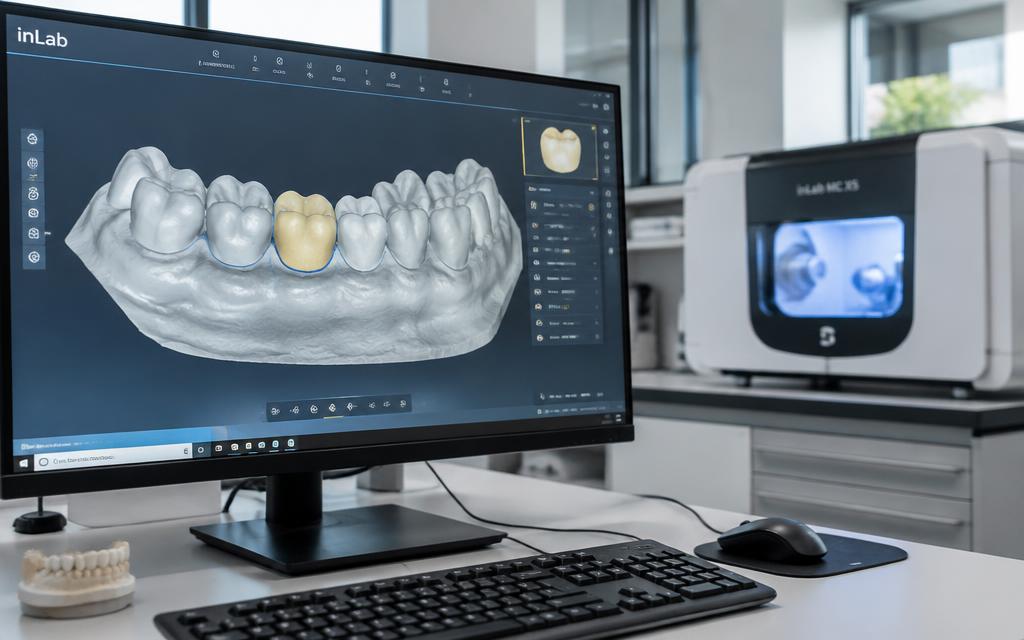
How Do CAD Software Enhance Restorative Dentistry
The integration of CAD (Computer-Aided Design) software has revolutionized restorative dentistry, significantly impacting patient care. Dental design through CAD allows practitioners to customize dental restorations with unmatched precision, adapting each solution to fit the unique anatomy of every patient.
Advanced features, such as real-time rendering, enable clinicians to visualize restorations before fabrication, enhancing the accuracy of both fit and aesthetics.
By optimizing dental workflows, CAD technology streamlines processes and enhances the efficiency of restorative solutions.
This transformation of traditional practices into digital workflows ensures that clinicians can provide faster, more effective treatments.
Ultimately, the improvements in patient outcomes shape the future of restorative dentistry.
The Role Of Dental Milling In Custom Prosthetics
Embracing advanced dental milling technology allows for a significant transformation in the production of custom prosthetics. This innovation enhances workflow efficiency and accuracy, ultimately benefiting the patient experience.
The speed of dental milling not only reduces turnaround times for restorations like crowns and bridges but also leads to improved patient satisfaction.
Streamlined Production Process
Modern milling machines automate the crafting process, resulting in precision manufacturing of custom prosthetics. This technology supports:
- Fast turnaround times, allowing practices to deliver restorations quickly
- Enhanced accuracy, reducing manual errors in the production process
- Easier collaboration between dental clinics and laboratories through integrated workflows
Material Selection Tips
For optimal results, selecting the right materials for various applications is essential. Practitioners should consider:.
- Zirconia for its exceptional strength in crowns
- Lighter materials like acrylic for dentures to enhance comfort
By leveraging cutting-edge digital dental technology, practitioners can offer superior fit and function, redefining the standard of care in restorative dentistry. With the integration of digital scanning, workflow optimization, and real-time communication systems, the production of aesthetic restorations becomes seamless and efficient.
CAD and Dental Milling in Restorative Dentistry
- CAD software allows for custom dental restorations tailored to individual patient anatomy.
- Real-time rendering in CAD enhances the accuracy of fit and aesthetics prior to fabrication.
- Modern dental milling reduces turnaround times for restorations, improving overall patient satisfaction.
- Strategic material selection, such as using zirconia and acrylic, increases the functionality and longevity of custom prosthetics.
Benefits Of 3D Printing For Dental Restorations
The impact of 3D printing has significantly reshaped the field of dental restorations. This technology not only enhances the precision of restorations but also streamlines manufacturing processes for dental clinics.
Its cost-effectiveness allows for reduced production expenses, making advanced dental care more accessible to practices of all sizes.
One of the notable advancements in restorative dentistry is the zirconia crown.
These crowns are known for their exceptional durability and aesthetic appeal, making them a preferred choice among both practitioners and patients.
The integration of digital impressions facilitates quicker turnaround times and minimizes manual errors in the restoration process.
Enhanced Workflow Efficiency
Incorporating digital dental workflows and CAD/CAM systems optimizes the clinical workflow. By allowing practitioners to upload digital impressions, dental labs can manufacture restorations with remarkable accuracy.
This approach not only increases efficiency but also supports a seamless communication channel between dental clinics and laboratories.
- Faster turnaround times on restorations
- Improved accuracy through precision manufacturing
- Reduced manual errors in restoration processes
Driving Patient Satisfaction
With the continuous evolution of dental technology, outcomes for patients have improved significantly. Customized solutions like digital dentures and orthodontic appliances are now more accessible, ensuring that patients receive tailored care that enhances their comfort and satisfaction. High-precision tools and workflow optimization contribute to better overall patient experiences.
As the field of restorative dentistry progresses, embracing 3D printing technology becomes essential for practices aiming to enhance their service offerings. The benefits of this innovative approach are clear: increased efficiency, accessibility, and exceptional outcomes for patients.
| Benefit | Description |
|---|---|
| Enhanced Precision | 3D printing allows for highly accurate restorations, reducing manual errors. |
| Faster Turnaround | Digital impressions enable quicker manufacturing of dental restorations. |
| Cost-Effectiveness | Lower production costs make advanced dental care more accessible. |
| Improved Patient Satisfaction | Customized solutions enhance comfort and overall patient experiences. |
Looking for more? Browse our full library of dental education resources.
Back to Education Center