Dental appliances are commonly prescribed to protect teeth, support oral function, and help maintain long-term dental health. From night guards and mouthguards to retainers, aligners, and specialty appliances, these devices play an important role in preventing damage and preserving both natural teeth and dental restorations.
This guide explains what dental appliances are, why they're prescribed, the different types used in modern dentistry, and how proper fit and care affect their effectiveness.
Why Dental Appliances Matter
Dental appliances are often preventive or supportive rather than corrective on their own. They're prescribed to reduce wear, limit damage from excessive forces, and protect teeth and restorations from long-term stress.
In many cases, appliances help manage issues that occur gradually, such as tooth wear from grinding or subtle tooth movement after orthodontic treatment. They may also be used to reduce the risk of injury during sports or to support cosmetic and hygiene routines.
Dental appliances are professionally prescribed devices designed to be worn in the mouth for a specific purpose. Most are removable and custom-made to fit an individual patient's anatomy. Broadly, they may serve preventive roles (protecting teeth from grinding or trauma), therapeutic roles (supporting bite or function), or maintenance roles (preserving orthodontic or restorative outcomes).
Night Guards & Bite Splints
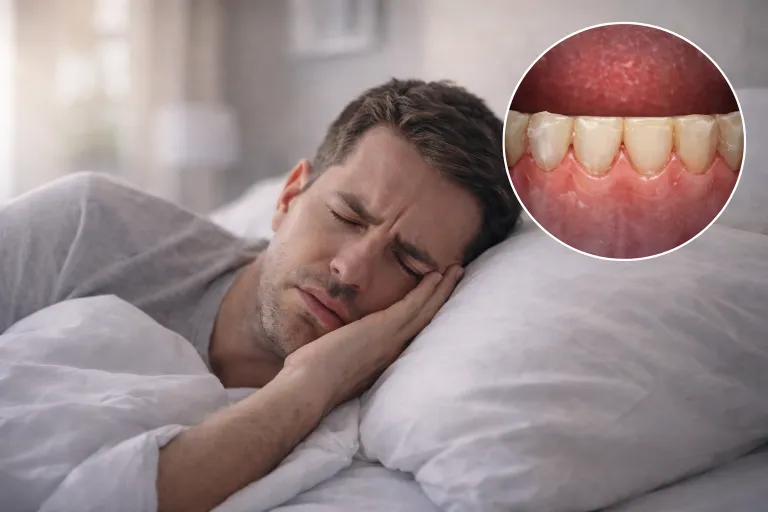
Night guards are commonly prescribed for patients who grind or clench their teeth, a condition often referred to as bruxism. Grinding can lead to tooth wear, fractures, restoration damage, and jaw discomfort over time. A night guard does not stop the grinding behavior — instead, it acts as a protective barrier that distributes forces more evenly and reduces damage. Many patients wear night guards long-term as a preventive measure.
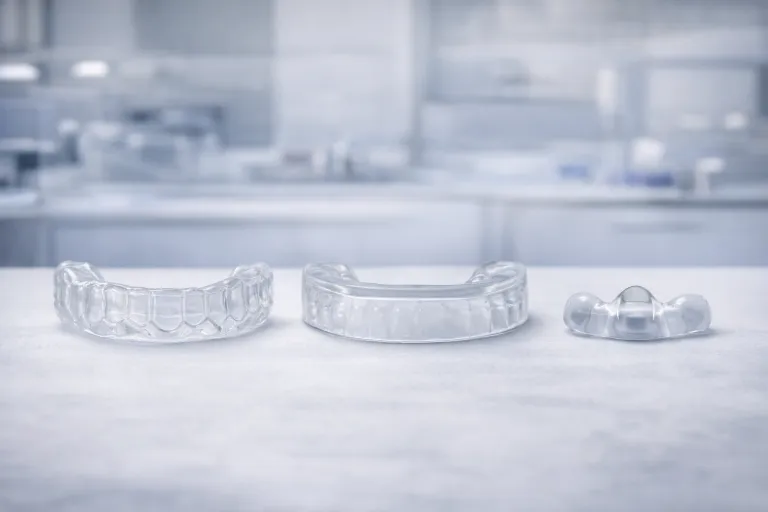
Bite splints and occlusal appliances are designed to influence how the teeth come together during function. They may be prescribed to help stabilize the bite or manage uneven force distribution. While they may look similar to night guards, bite splints are typically designed for specific functional goals and are prescribed based on clinical evaluation.
NTI Appliances & Mouthguards
NTI appliances are anterior contact devices that limit posterior tooth contact. They're prescribed selectively and for specific indications, often related to muscle activity management. Because of their narrow use cases and potential limitations, NTI appliances require careful professional evaluation and ongoing monitoring.
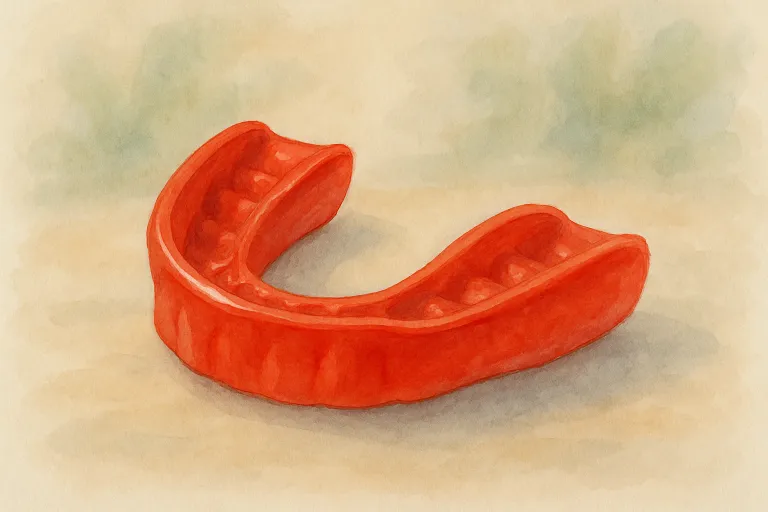
Mouthguards protect teeth and oral structures during sports and physical activity. Dental trauma can occur even with minor impacts, particularly in contact sports. Custom mouthguards fit securely and comfortably, making them easier to wear consistently — and offering more predictable protection than over-the-counter options, especially for patients with crowns, orthodontic appliances, or a history of injury.
Retainers, Aligners & Bleach Trays
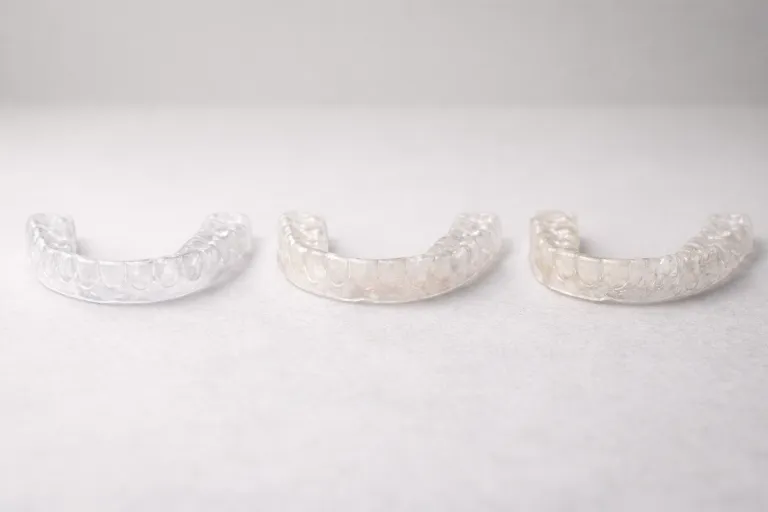
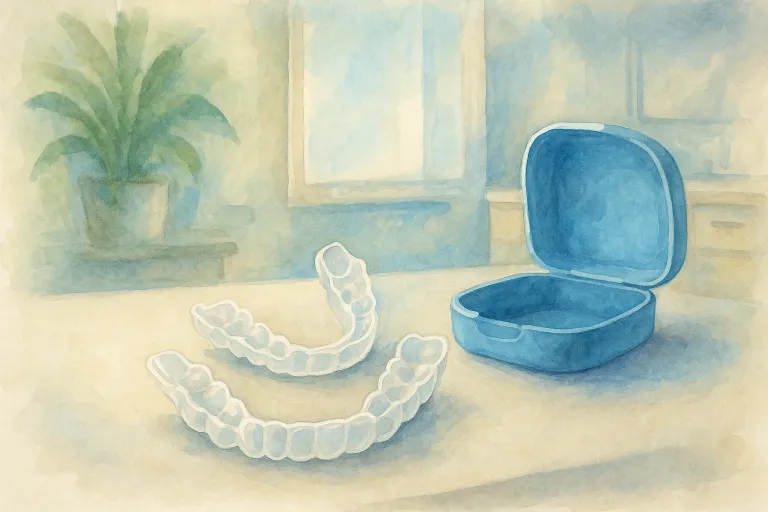
Retainers are prescribed after orthodontic treatment to help maintain tooth position. Teeth naturally tend to shift over time, and many patients are advised to wear retainers long-term to support stability.
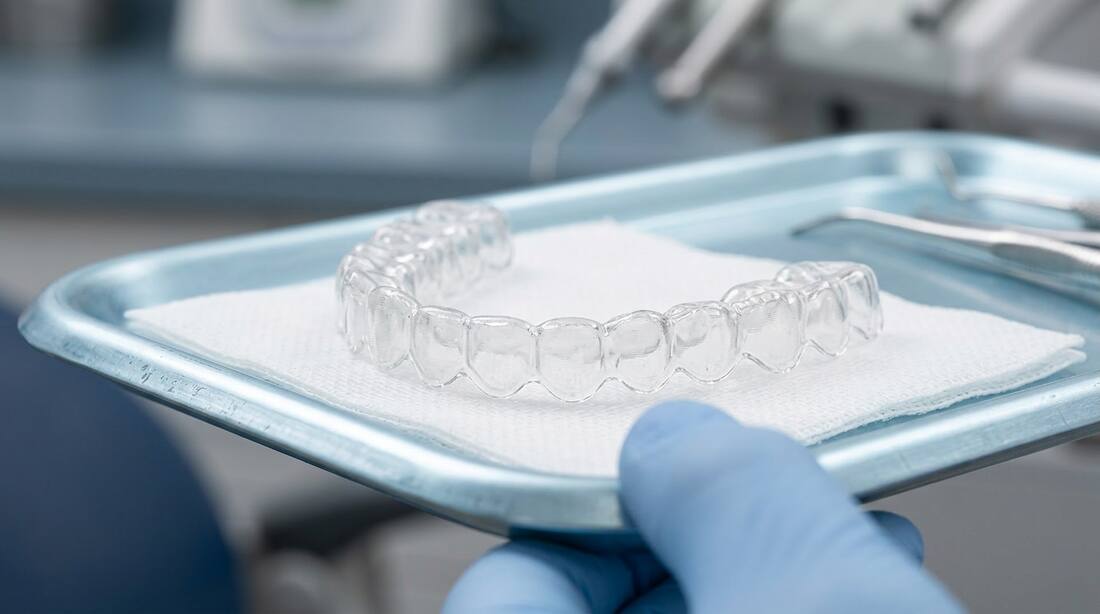
Aligners are orthodontic appliances used to gradually move teeth into improved positions — distinct from retainers, which maintain alignment. In addition to improving alignment, properly planned orthodontic treatment can support oral health by improving cleanability, bite relationships, and long-term stability.
Bleach trays are custom-fit appliances used to support at-home whitening routines. A precise fit allows whitening material to be applied more evenly and comfortably.
Custom Appliances vs Over-the-Counter
Over-the-counter dental appliances are widely available, but they're not designed to fit individual anatomy precisely. Poor fit can lead to discomfort, uneven force distribution, or limited effectiveness.
Custom appliances are fabricated based on detailed impressions or scans, allowing for more predictable comfort and performance. While over-the-counter options may be appropriate in limited situations, custom appliances are generally better suited for long-term use and consistent protection.
Fit, Care & Replacement
Proper fit is essential for appliance effectiveness. An appliance that fits well is more comfortable, less irritating, and easier to wear consistently. Most patients experience a short adjustment period; comfort and compliance typically improve as the appliance becomes part of a routine.
Basic care helps maintain hygiene and extend appliance lifespan. Regular cleaning, proper storage, and avoiding heat or physical damage are important for most appliance types. Care requirements may vary depending on material and purpose.
Dental appliances are subject to wear over time. Changes in fit, visible damage, or hygiene concerns may indicate that an appliance should be repaired or replaced. Routine evaluation helps ensure that appliances continue to function as intended.