
Signs You May Need a Dental Appliance for Grinding or Clenching
Grinding or clenching the teeth, commonly associated with bruxism, often develops gradually and may go unnoticed until symptoms begin interfering with daily comfort or oral health. Jaw pain, tooth wear, and morning headaches are frequently dismissed as stress-related, but they can indicate excessive forces on the teeth and jaw during sleep or periods of concentration.
Recognizing these warning signs early allows for timely intervention and helps prevent long-term damage to teeth, restorations, and jaw joints.
Persistent Jaw Discomfort or Muscle Fatigue
One of the most common indicators of grinding or clenching is ongoing jaw soreness, particularly in the morning. This discomfort is often caused by prolonged muscle contraction overnight, placing stress on the jaw muscles and temporomandibular joints.
If facial muscle fatigue or stiffness persists despite rest, it may suggest that the jaw is being overworked during sleep. Dental appliances are often recommended in these cases to reduce muscle strain and redistribute biting forces more evenly.
Morning Headaches or Facial Pain
Waking up with headaches, especially those concentrated around the temples or sides of the face, can be linked to nighttime clenching. These headaches are frequently muscular in origin and result from sustained jaw tension rather than neurological causes.
When headaches recur regularly without an identifiable cause, a dental evaluation can help determine whether bruxism is contributing to the problem and whether an oral appliance may provide relief.
Tooth Wear, Sensitivity, or Chipping
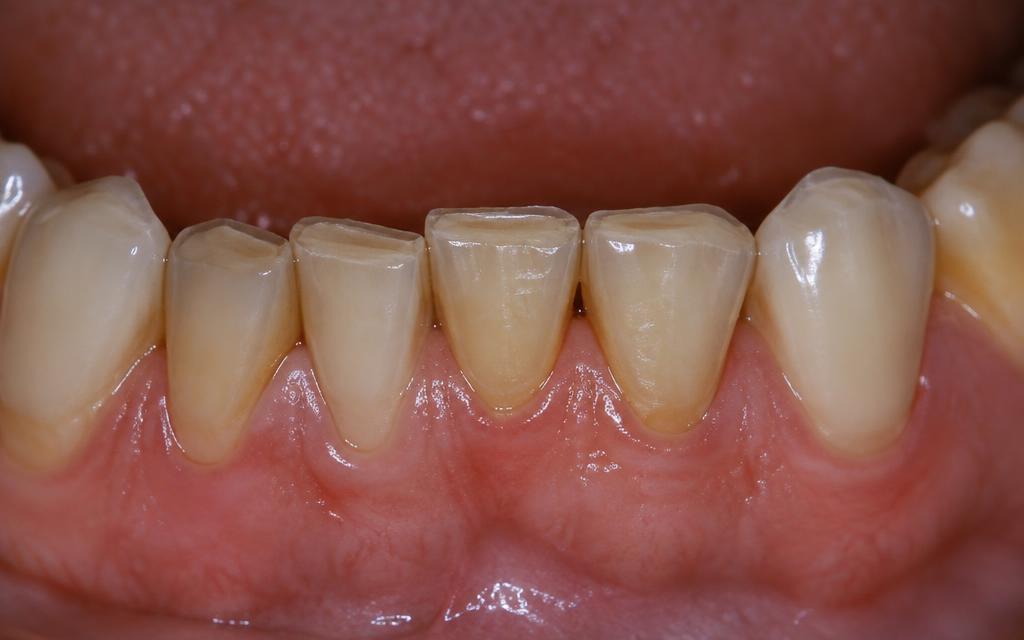
Grinding places repeated stress on tooth enamel, leading to flattening, chipping, or increased sensitivity over time. In many cases, patients are unaware of this wear until it is identified during a dental exam.
Visible wear patterns, fractured restorations, or sensitivity to temperature can all indicate that teeth are being subjected to excessive force. Dental appliances help protect enamel and existing dental work by acting as a barrier between the upper and lower teeth.
Disrupted Sleep or Morning Fatigue
Bruxism can interfere with sleep quality, even if grinding sounds are not noticed. Repeated muscle activity during sleep can prevent restorative rest, leading to morning fatigue and daytime discomfort.
When sleep disruption is combined with jaw pain or tooth wear, it may signal the need for a protective appliance to reduce nighttime clenching activity.
Jaw Clicking, Locking, or Limited Movement
Clenching and grinding can contribute to joint strain over time. Clicking, popping, or difficulty opening the mouth comfortably may indicate stress on the temporomandibular joints.
While not all joint symptoms require an appliance, they often warrant evaluation. In some cases, a dental appliance can help stabilize the bite and reduce joint loading.
How Dental Appliances Help Manage Grinding and Clenching
Dental appliances are designed to address the effects of bruxism by protecting teeth, reducing muscle strain, or limiting clenching intensity. The specific type of appliance recommended depends on the patient’s symptoms and clinical findings.
Custom-fabricated appliances provide the most reliable fit and comfort, which is critical for consistent use. Proper appliance selection helps minimize tooth damage, improve comfort, and support long-term oral health.
The Importance of Professional Evaluation
Grinding and clenching are not always visible to the patient, which is why regular dental exams play an essential role in early detection. Dentists can identify subtle wear patterns, muscle tenderness, and bite discrepancies before significant damage occurs.
An evaluation allows for a personalized treatment approach and ensures that any appliance recommended is appropriate for the patient’s specific condition.
Acting Early to Protect Oral Health
Ignoring early signs of grinding or clenching can lead to more complex dental issues over time, including fractured teeth, worn restorations, and chronic jaw discomfort. Addressing symptoms early with professional guidance helps preserve oral health and avoid unnecessary complications.
If jaw pain, headaches, or tooth wear are becoming routine, a dental consultation can help determine whether a dental appliance is appropriate and provide a path toward long-term comfort.
For additional guidance on crown materials, restorative planning, and long-term performance considerations, explore our Dental Education Hub, where related topics are covered in greater depth to support informed clinical decision-making and predictable restorative outcomes.
Looking for more? Browse our full library of dental education resources.
Back to Education Center