
Dental appliances are commonly used to protect teeth, manage grinding or clenching, support orthodontic treatment, and improve overall oral health. When considering an appliance, many patients face a key decision: choosing between a custom dental appliance made by a dental professional or an over-the-counter (OTC) option purchased directly by the consumer.
While both options may appear to serve similar purposes, they differ significantly in fit, effectiveness, comfort, and long-term impact on oral health. Understanding these differences helps patients make informed decisions that support both short-term comfort and long-term outcomes.
What Custom Dental Appliances Are Designed to Do
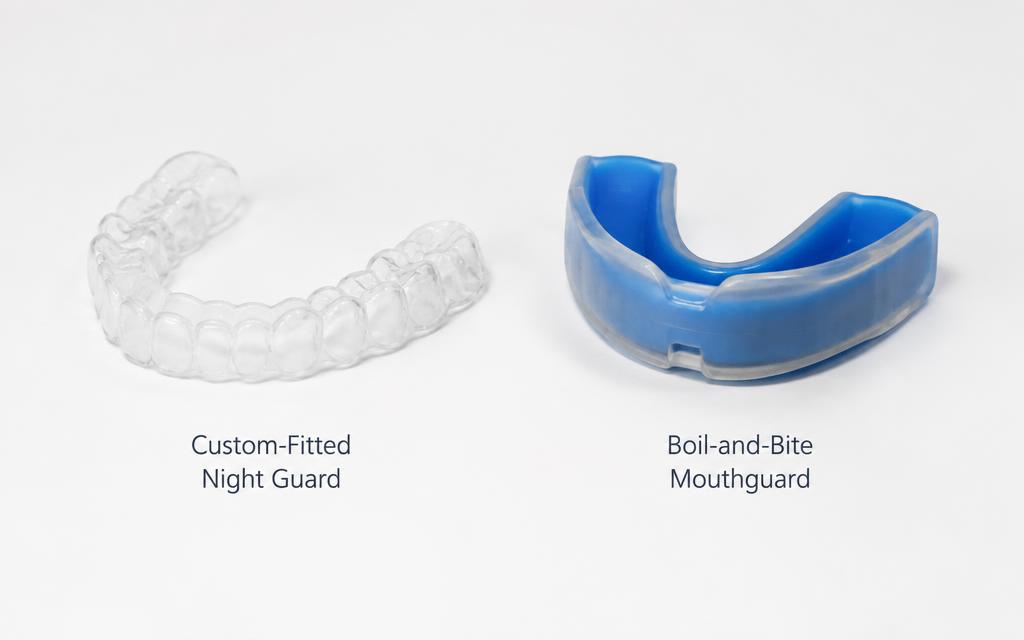
Custom dental appliances are created specifically for an individual patient based on a professional evaluation and detailed impressions of the teeth and bite. These appliances are designed to fit precisely, distribute forces evenly, and address the underlying dental or jaw condition being treated.
Digital impressions and modern CAD/CAM workflows allow dental labs to fabricate appliances with a high level of accuracy. This precision improves comfort, stability, and effectiveness, especially for appliances used nightly or over extended periods.
Because they are tailored to the patient’s anatomy, custom appliances are often more durable and less likely to cause pressure points, movement, or unintended bite changes.
How Over-the-Counter Dental Appliances Differ
Over-the-counter dental appliances are mass-produced and designed to fit a wide range of users. They are typically available without a dental visit and appeal to patients seeking convenience or lower upfront cost.
While OTC appliances may provide basic protection in mild cases, they are not customized to an individual’s bite or dental anatomy. As a result, fit can be inconsistent, and force distribution may be uneven. This can limit effectiveness and, in some cases, contribute to discomfort or worsening symptoms.
OTC appliances are often made from softer or less durable materials, which may wear down more quickly when exposed to heavy grinding or clenching forces.
Fit, Comfort, and Long-Term Wear
One of the most noticeable differences between custom and OTC appliances is comfort. Appliances that do not fit properly are less likely to be worn consistently, reducing their benefit.
Custom appliances are designed to sit securely and comfortably, minimizing bulk while maintaining proper function. This makes them easier to tolerate during sleep and more effective over time.
OTC appliances may feel bulky, shift during use, or require repeated adjustments by the user. Inconsistent fit can lead to uneven pressure on teeth and jaw muscles, which may reduce comfort and treatment success.
Effectiveness and Oral Health Outcomes
The effectiveness of a dental appliance depends on how well it addresses the patient’s specific condition. Custom appliances are prescribed based on clinical findings, such as tooth wear, jaw alignment, muscle tenderness, or joint symptoms.
Because OTC devices are not tailored or professionally adjusted, they may not adequately protect teeth or reduce muscle strain in moderate to severe cases. In some situations, improper appliance use can mask symptoms without addressing the underlying cause.
Professional oversight ensures that appliance design, fit, and use align with the patient’s oral health needs.
Risks of Self-Diagnosing and OTC Use
Many patients turn to OTC appliances without a formal diagnosis, assuming all grinding or clenching issues are the same. However, symptoms such as jaw pain, headaches, or tooth wear can have different causes that require different treatment approaches.
Using an OTC appliance without evaluation may delay appropriate care or contribute to bite changes and discomfort. Consulting a dental professional before selecting an appliance helps ensure the chosen solution is safe and effective.
Cost Considerations: Short-Term vs Long-Term Value
OTC appliances are often less expensive initially, which makes them appealing. However, they may need to be replaced more frequently and may not provide adequate protection for existing dental work or long-term use.
Custom appliances represent a higher upfront investment but often deliver better durability, comfort, and effectiveness. Over time, they may reduce the risk of tooth damage, restoration failure, or additional treatment costs.
Choosing the Right Option for Your Needs
Custom and over-the-counter dental appliances serve different purposes. OTC appliances may be appropriate for temporary or mild concerns, while custom appliances are typically recommended for ongoing conditions, significant symptoms, or long-term protection.
A dental evaluation helps determine which option aligns best with a patient’s oral health goals. Personalized recommendations ensure the appliance supports both comfort and long-term outcomes.
For additional guidance on crown materials, restorative planning, and long-term performance considerations, explore our Dental Education Hub, where related topics are covered in greater depth to support informed clinical decision-making and predictable restorative outcomes.
Looking for more? Browse our full library of dental education resources.
Back to Education Center