
How to Clean a Night Guard: The Complete Guide
Keeping your night guard clean is essential for preventing bacteria buildup, eliminating odors, and extending the lifespan of your appliance. Below is a dentist-recommended guide showing exactly how to clean a night guard daily, weekly, and monthly—along with what to avoid and how to fix common problems like yellowing or white buildup.
How to Clean a Night Guard (Step-by-Step)
1. Rinse Immediately After Removal
Rinse your night guard under lukewarm water as soon as you take it out. This removes saliva and debris before they dry onto the material.
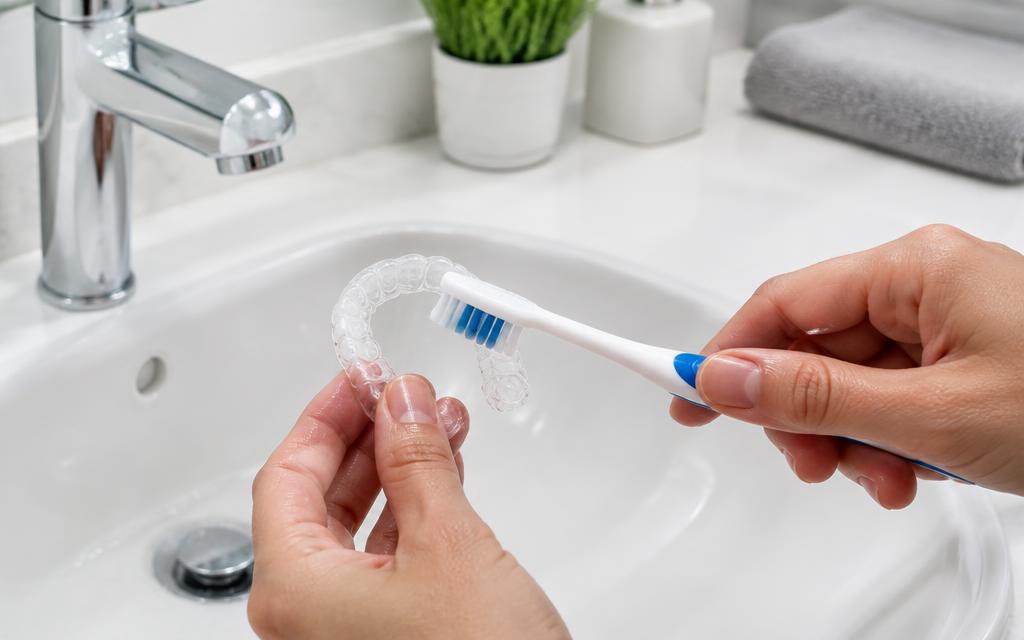
2. Brush With Mild Soap — Not Toothpaste
Use a soft toothbrush and a small amount of mild, fragrance-free soap to gently scrub the entire surface.
Avoid toothpaste: its abrasives scratch plastic and make the guard cloudier over time.
3. Rinse Thoroughly Again
Wash away any soap residue with lukewarm water.
4. Air Dry Completely
Place your night guard on a clean towel and allow it to fully dry. Moisture encourages bacterial growth, so avoid storing it while damp.
5. Store in a Ventilated Case
Use a protective case with airflow and keep it away from heat sources. High temperatures can warp and damage night guards.
Weekly Deep Cleaning Routine
A deeper sanitization removes bacteria and helps prevent odors:
Option 1: Vinegar + Water (Most Cost-Effective)
-
Mix equal parts white vinegar and water
-
Soak the night guard for 15–30 minutes
-
Rinse thoroughly, then air dry
Option 2: Denture or Retainer Cleaning Tablets
-
Dissolve a tablet in warm (not hot) water
-
Soak according to package directions
-
Rinse after soaking
Option 3: Baking Soda Paste
-
Mix 1 tablespoon baking soda with a few drops of water
-
Gently brush on for stain or odor control
-
Rinse thoroughly
Monthly Deep Cleaning or Odor Removal
For discoloration, mineral buildup, or lingering odor, use:
Hydrogen Peroxide (Occasional Use Only)
Safe periodically, but not daily—overuse can degrade certain plastics.
-
Soak for 10–15 minutes
-
Rinse thoroughly
How to Clean Different Types of Night Guards
Soft Night Guards
-
Avoid alcohol-based products
-
Avoid long peroxide soaks
-
Use mild soap + weekly vinegar soaks
Hard Acrylic Night Guards
-
Most durable
-
Can tolerate denture tablets well
-
Baking soda paste is effective for stains
Dual-Laminate Night Guards
-
Use mild cleaning agents only
-
Avoid high heat and harsh chemicals
-
Gentle weekly tablet soak recommended
What NOT to Use When Cleaning a Night Guard
Avoid these common mistakes—they cause warping, cracking, or surface damage:
-
No toothpaste (abrasive)
-
No boiling water
-
No dishwasher
-
No alcohol or alcohol-based mouthwashes
-
No bleach (damages plastic and is unsafe)
-
No UV sanitizers unless your dentist confirms material compatibility
Troubleshooting: Common Night Guard Cleaning Problems
White Spots or Hard Chalky Buildup
Often calcium or tartar deposits.
Fix: Soak for 15–20 minutes in a 1:1 vinegar + water solution, then brush gently.
Yellowing or Cloudiness
Usually caused by:
-
Incomplete drying
-
Toothpaste abrasion
-
Mineral deposits
-
Long-term wear
Fix: Monthly deep cleaning with a baking soda paste or occasional peroxide soak.
Persistent Odor
Often trapped bacteria.
Fix:
-
Increase weekly deep cleaning frequency
-
Ensure the guard fully air dries
-
Replace the storage case periodically
If the odor remains even after deep cleaning, the appliance may need replacement.
Cleaning Schedule Summary
Daily
-
Rinse after use
-
Brush with mild soap
-
Air dry fully
Weekly
-
Soak in vinegar solution or use cleaning tablets
-
Inspect for signs of wear
Monthly
-
Deep clean with baking soda or limited peroxide use
Frequently Asked Questions (FAQ)
How often should I clean my night guard?
Clean it daily, sanitize it weekly, and deep clean monthly.
Can I use toothpaste to clean my night guard?
No. Toothpaste is abrasive and will damage the surface over time.
How do I remove yellow stains from my night guard?
Use a baking soda paste or a short hydrogen peroxide soak once a month.
Why does my night guard smell?
Usually from moisture or bacterial buildup. Increase air drying and weekly soaks.
How long does a night guard last?
Most last 1–5 years depending on material, cleaning routine, and grinding severity.
Final Thoughts
A consistent, structured cleaning routine is the key to keeping your night guard fresh, hygienic, and long-lasting. By following the steps above—rinsing daily, sanitizing weekly, and deep cleaning monthly—you’ll maintain both your oral health and the integrity of the appliance.
Looking for more? Browse our full library of dental education resources.
Back to Education Center