
Bruxism, commonly referred to as teeth grinding or clenching, can significantly affect oral health, comfort, and sleep quality. Left unmanaged, it may lead to tooth wear, fractures, jaw pain, headaches, and temporomandibular joint discomfort. Selecting the appropriate oral appliance is a key step in managing these symptoms effectively.
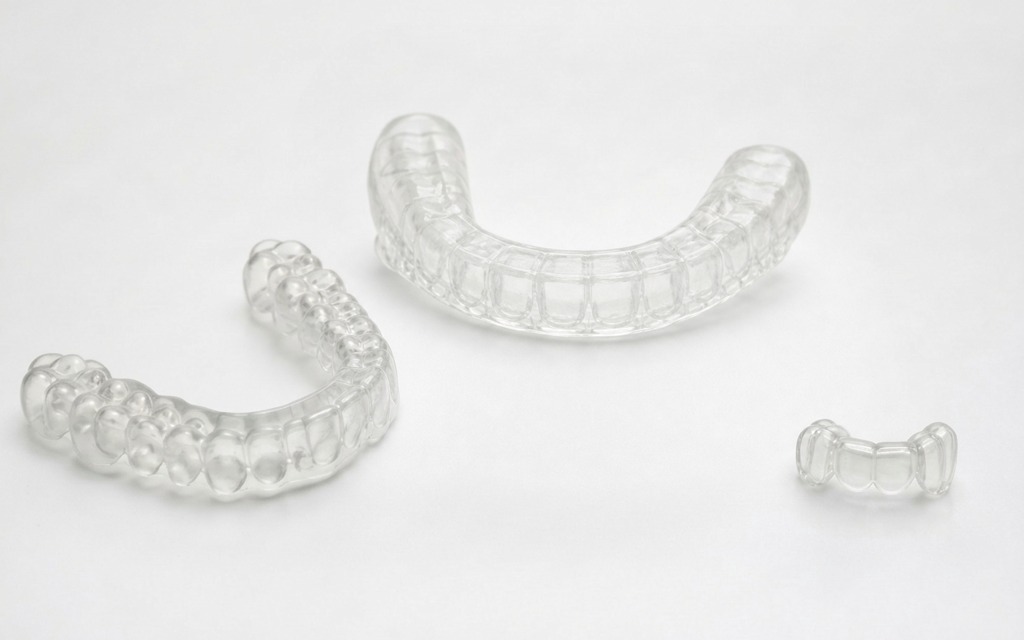
Night guards, bite splints, and NTI devices are all used to address bruxism, but they serve different purposes. Understanding how each appliance works helps ensure treatment is matched to the patient’s specific symptoms and clinical needs.
Understanding Bruxism and Its Impact
Bruxism can occur during sleep or while awake and is often influenced by stress, anxiety, occlusal factors, or neuromuscular activity. Over time, repetitive clenching and grinding place excessive forces on teeth and jaw muscles, leading to enamel wear, muscle fatigue, and joint strain.
Because bruxism presents differently from person to person, treatment is not one-size-fits-all. Some patients primarily need tooth protection, while others require muscle relaxation or targeted reduction of clenching forces.
What a Night Guard Is Designed to Do
A night guard is primarily a protective appliance. It creates a barrier between the upper and lower teeth, preventing direct tooth-to-tooth contact during grinding episodes. This helps preserve enamel, protect restorations, and reduce the risk of fractures.
Night guards are often recommended for patients whose primary concern is tooth wear rather than jaw joint symptoms. While they may reduce some muscle discomfort indirectly, their main function is protection rather than repositioning or neuromuscular control.
When properly fitted, a night guard can be an effective long-term solution for managing the dental consequences of bruxism.
How Bite Splints Address Jaw Function and Muscle Strain
Bite splints, often referred to as occlusal splints, are designed to influence how the jaws come together. In addition to protecting teeth, they help distribute biting forces more evenly and may reduce muscle hyperactivity.
These appliances are commonly used for patients experiencing jaw pain, muscle tension, or joint-related symptoms alongside bruxism. By stabilizing the bite and supporting jaw alignment, a bite splint can promote muscle relaxation and reduce strain on the temporomandibular joints.
Because of their therapeutic role, bite splints are typically custom-fabricated and carefully adjusted to the patient’s occlusion.
The Role of the NTI Device in Clenching Control
The NTI device is a smaller, anterior-only appliance that contacts only the front teeth. Its purpose is to limit the intensity of clenching by reducing activation of the jaw-closing muscles.
NTI devices are often used for patients with severe clenching patterns, particularly when headaches or muscle-related pain are a primary concern. Because they alter muscle engagement rather than providing full-arch coverage, they are prescribed selectively and monitored closely by dental professionals.
While effective for certain cases, NTI devices are not appropriate for everyone and may not provide adequate tooth protection for patients with heavy grinding.
Comfort, Fit, and Patient Compliance
Comfort plays a critical role in the success of any oral appliance. An appliance that fits poorly or feels intrusive is less likely to be worn consistently, reducing its effectiveness.
Custom-fabricated appliances, whether night guards or bite splints, generally offer superior comfort and stability compared to over-the-counter options. Proper fit reduces bulk, improves retention, and minimizes unwanted movement during sleep.
The best appliance is ultimately the one that addresses the patient’s symptoms while remaining comfortable enough for consistent use.
The Importance of Professional Evaluation
Choosing between a night guard, bite splint, or NTI device should always involve a dental evaluation. A dental professional can assess tooth wear, jaw function, muscle tenderness, and joint health to determine which appliance is most appropriate.
Treatment decisions are based on more than just the presence of grinding. Factors such as symptom severity, occlusal relationships, and existing restorations all influence appliance selection.
Digital Dentistry and Custom Appliance Fabrication
Modern digital workflows have improved the precision and comfort of dental appliances. Digital impressions and CAD/CAM fabrication allow for highly accurate fits, reducing the need for adjustments and improving patient comfort.
These technologies support more predictable outcomes by ensuring appliances are tailored to the patient’s anatomy and bite dynamics. For bruxism appliances, accuracy in fit directly affects both comfort and effectiveness.
Choosing the Right Appliance for Bruxism Management
Night guards, bite splints, and NTI devices each play a role in managing bruxism, but they are not interchangeable. Night guards protect teeth, bite splints support jaw function and muscle relaxation, and NTI devices target clenching intensity.
Selecting the correct appliance depends on the underlying cause of symptoms and the patient’s clinical presentation. With proper evaluation and custom fabrication, oral appliances can significantly improve comfort, protect oral structures, and support long-term oral health.
For additional guidance on crown materials, restorative planning, and long-term performance considerations, explore our Dental Education Hub, where related topics are covered in greater depth to support informed clinical decision-making and predictable restorative outcomes.
Looking for more? Browse our full library of dental education resources.
Back to Education Center