
How Long Dental Appliances Last and When Replacement Is Needed
Dental appliances play an important role in protecting oral health, managing symptoms, and supporting long-term treatment outcomes. While these devices are designed to be durable, they are not permanent. Understanding how long dental appliances typically last and recognizing when replacement is necessary helps prevent discomfort, treatment setbacks, and avoidable oral health issues.
Appliance lifespan varies depending on material, usage patterns, and maintenance, making routine evaluation an essential part of ongoing dental care.
Typical Lifespan of Common Dental Appliances
Most dental appliances are intended to last anywhere from several months to a few years. Soft appliances, such as flexible night guards, tend to wear more quickly due to constant pressure and compression. Rigid appliances, including custom bite splints or retainers made from harder materials, generally last longer but are still subject to gradual wear.
The way an appliance is used also matters. Appliances worn nightly or exposed to heavy clenching forces experience more stress than those used intermittently. Even high-quality materials will eventually degrade under repeated force.
Factors That Affect Appliance Longevity
Several variables influence how long a dental appliance remains effective.
Material choice plays a major role, as harder materials typically resist wear better than softer ones. Proper care and cleaning habits are equally important. Appliances that are cleaned incorrectly, exposed to heat, or stored improperly may warp or crack prematurely.
Changes in bite alignment, dental work, or jaw function can also affect fit over time. An appliance that once fit comfortably may become less effective as oral conditions change, even if the appliance itself appears intact.
Signs a Dental Appliance May Need Replacement
Dental appliances rarely fail suddenly. Instead, they show gradual signs of deterioration that signal replacement may be necessary.
Visible changes such as cracks, rough edges, thinning areas, or discoloration often indicate material breakdown. Discomfort, pressure points, or looseness can suggest the appliance no longer fits properly or distributes forces evenly.
In some cases, an appliance may appear visually acceptable but no longer perform its intended function. Persistent symptoms such as jaw pain, headaches, or tooth sensitivity may indicate the appliance is no longer effective and should be evaluated.
Repair vs Replacement Considerations
Minor wear or surface issues can sometimes be addressed through adjustment or repair. However, repeated repairs or compromised structural integrity often make replacement the better option.
Continuing to use a worn appliance can increase the risk of tooth damage, muscle strain, or ineffective treatment. Dental professionals can assess whether an appliance can be safely maintained or if replacement will provide better protection and comfort.
Why Routine Dental Evaluations Matter
Regular dental checkups play a critical role in monitoring appliance condition. Dentists can identify early signs of wear, assess fit, and ensure the appliance continues to function as intended.
Routine evaluations also allow adjustments to be made as oral conditions change. Bite shifts, new restorations, or changes in symptoms can all affect appliance performance. Addressing these factors early helps extend appliance lifespan and prevent complications.
Maximizing the Lifespan of Dental Appliances
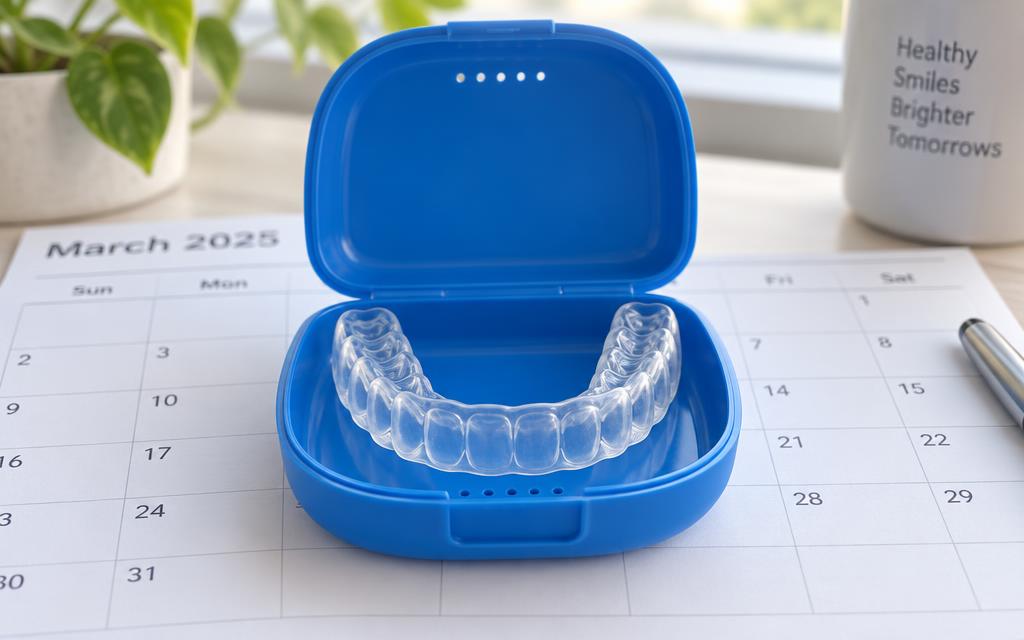
Proper daily care supports long-term appliance use. Appliances should be cleaned according to professional instructions and stored in protective cases when not in use. Avoiding heat exposure and inspecting the appliance regularly helps catch issues early.
Consistent use as directed, combined with professional monitoring, ensures the appliance delivers ongoing benefit without causing unintended harm.
Knowing When to Replace Protects Oral Health
Dental appliances are an investment in oral health, but they are not meant to last indefinitely. Recognizing signs of wear and understanding expected lifespan helps patients make informed decisions about maintenance and replacement.
When appliances are replaced at the appropriate time, comfort improves, treatment remains effective, and long-term oral health is better protected.
For additional guidance on crown materials, restorative planning, and long-term performance considerations, explore our Dental Education Hub, where related topics are covered in greater depth to support informed clinical decision-making and predictable restorative outcomes.
Looking for more? Browse our full library of dental education resources.
Back to Education Center