Crown fit plays a critical role in comfort, function, and long-term restorative success. Even when a crown appears to seat properly, subtle issues with bite, contacts, or margins can lead to discomfort, sensitivity, or the need for adjustment or remake.
This guide explains what crown fit actually means, why fit issues occur, how they are evaluated, and how clinical and laboratory factors work together to influence outcomes. Fit challenges are common in both traditional and digital workflows, and understanding their causes helps set realistic expectations and improve results.
What Crown Fit Actually Means
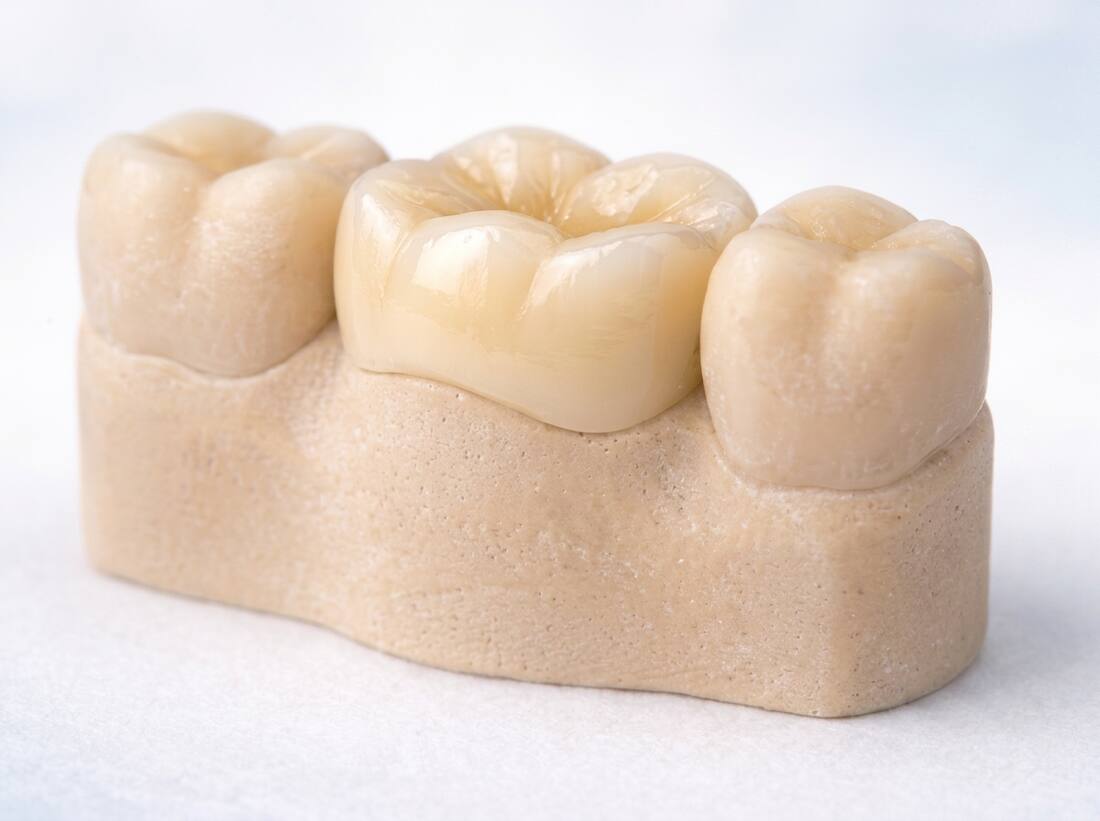
Crown fit is not a single measurement or characteristic. It is the combined result of how a restoration interacts with the prepared tooth, adjacent teeth, and opposing dentition.
Fit typically involves several interrelated factors, including marginal adaptation, proximal contacts, occlusion, and internal seating. A crown may fully seat yet still present issues in one of these areas. Successful fit requires balance across all of them rather than perfection in only one.
Common Crown Fit Problems
One of the most frequent post-placement concerns is that a crown feels "high" or uncomfortable when biting. Even small occlusal discrepancies can be noticeable to patients, particularly during functional movements. These issues may stem from bite registration inaccuracies, scan limitations, or slight differences in how a crown seats during cementation compared to the try-in.
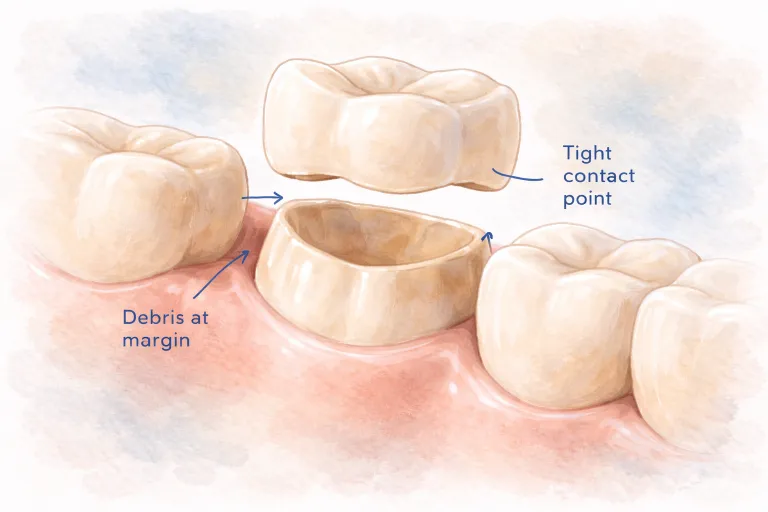
Contact-related issues are also common. Contacts that are too tight can prevent full seating or cause discomfort, while open contacts may lead to food impaction and irritation. These problems can arise from scan capture challenges, natural tooth movement between appointments, or design parameters used during fabrication.
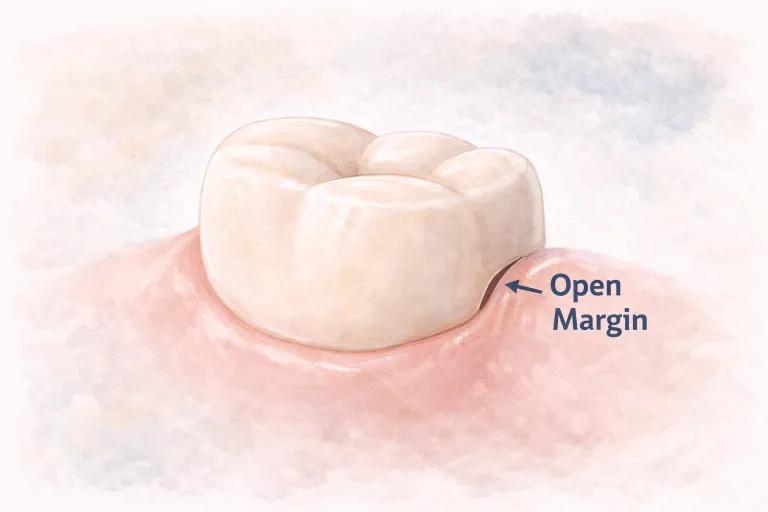
Marginal concerns are another important aspect of crown fit. Poor marginal adaptation may be influenced by preparation design, incomplete margin capture, or interpretation during the design process. While not all marginal discrepancies are immediately visible, they can contribute to long-term restorative and periodontal issues if left unaddressed.
Some patients experience sensitivity or generalized discomfort after crown placement. This may relate to occlusion, seating discrepancies, cementation factors, or marginal adaptation. Sensitivity does not always indicate failure, but it should be evaluated to rule out fit-related causes.
Why Crown Fit Issues Occur
Crown fit is influenced by the entire restorative workflow rather than a single step. Preparation design, scan accuracy, bite capture, CAD parameters, manufacturing tolerances, and seating technique all contribute to the final result.
Because multiple variables are involved, fit issues are rarely the result of one isolated error. Small discrepancies at different stages can compound and become more noticeable once the restoration is placed.
Digital Workflows and Crown Fit
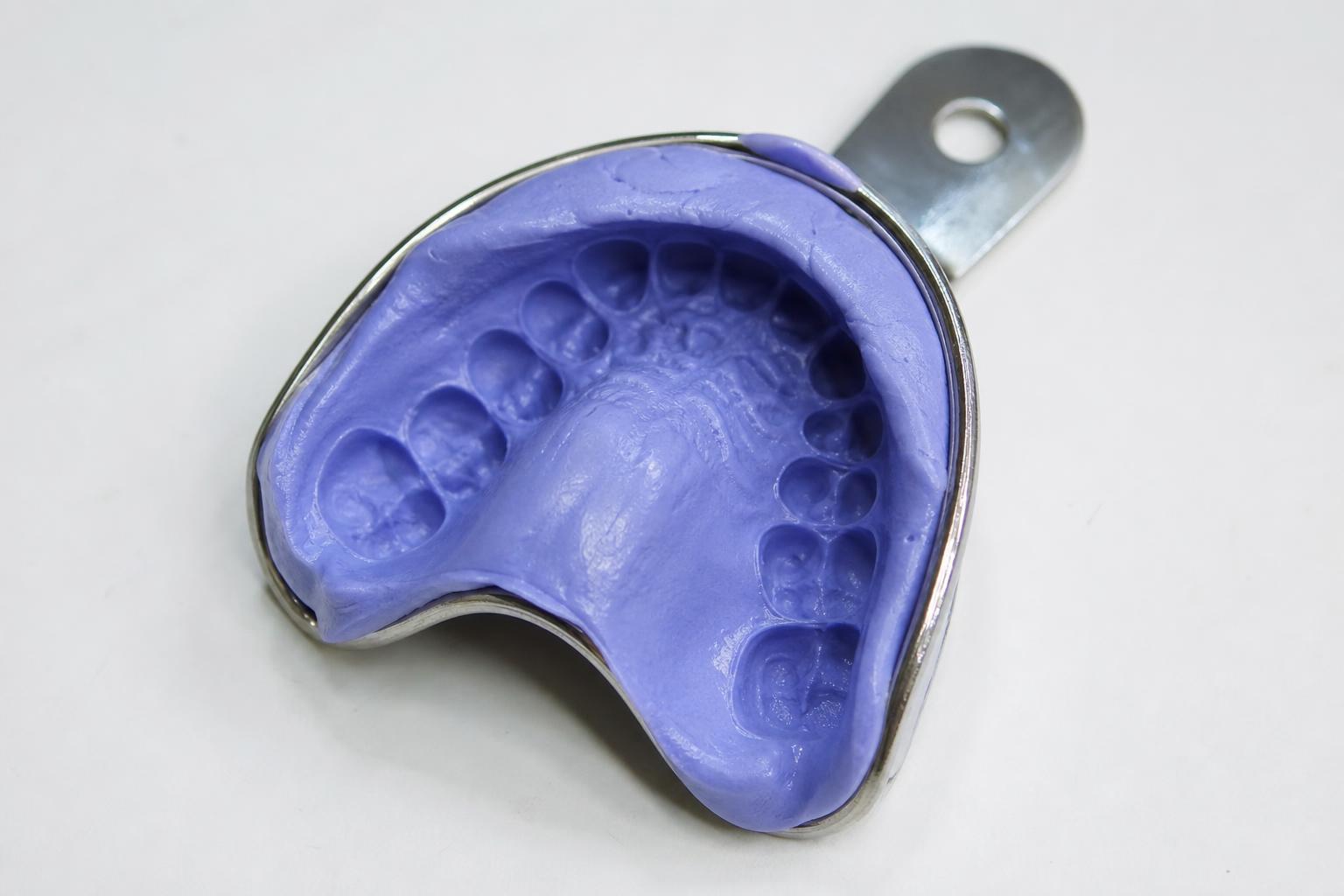
Digital workflows have improved consistency and predictability in crown fabrication, but they do not eliminate fit challenges. Digital impressions reduce some sources of variability associated with traditional materials, yet accuracy still depends on technique, margin capture, and bite registration.
Digital systems enhance communication and reproducibility, but they still require careful verification. When digital data is incomplete or distorted, fit issues can occur just as they can in analog workflows.
Adjustment vs Remake
Not all crown fit issues require a remake. Minor occlusal discrepancies or slightly heavy contacts may be resolved through chairside adjustment without compromising the restoration.
However, some issues cannot be adjusted away. Crowns that cannot seat fully, have compromised margins, or would require excessive adjustment may need to be remade to ensure long-term success. Understanding the difference helps avoid unnecessary delays while maintaining quality standards.
Preventing Crown Fit Issues
While no restorative workflow is entirely free of variability, many fit issues can be reduced through consistent practices. Proper tooth preparation, accurate scanning or impressions, clear bite capture, and effective communication between the dental office and the laboratory all contribute to better outcomes.
Fit should be viewed as a shared responsibility across the restorative process rather than the result of any single step.