
Dental crown infections can lead to serious complications, making early detection imperative. Symptoms of dental crown infections often begin with pain around the crown area, which is commonly accompanied by swelling or gum inflammation.
Other noticeable indicators include localized heat and heightened sensitivity to temperature changes.
A foul taste in the mouth or pus discharge may also occur.
Regular dental checkups play a significant role in preventing untreated infections, which could escalate into more severe health issues. Being attentive to these symptoms ensures prompt treatment and maintains dental health.
Identifying Signs of Toothache and Infection
Recognizing the signs of toothache is essential in distinguishing its origin.
Common toothache sensations include sharp, throbbing, or persistent discomfort that can signal underlying issues. Often, gum inflammation manifests as redness or tenderness in the surrounding tissues.
Infection symptoms may present as swelling and fever, indicating a more serious dental emergency.
Good oral hygiene practices, such as regular brushing and flossing, significantly reduce risks associated with infections.
If tooth pain persists for more than a few days or if it occurs alongside fever, it’s important to consult a dental provider for an accurate assessment and potential treatment options.
Common Symptoms to Look For
- Toothache: Ranges from mild discomfort to intense pain.
- Swelling: Indicates inflammation, often seen in the gums.
- Redness: Surrounding tissues may appear inflamed or irritated.
- Sensitivity: Increased reaction to hot or cold stimuli.
- Pus or Discharge: Presence of pus may indicate an active infection.
- Fever: Often signals a systemic response to infection.
- Persistent Pain: Ongoing discomfort necessitates a dental checkup.
When to Seek Professional Help
If any symptoms, such as pain or swelling, persist for an extended period, or if they are accompanied by fever or other systemic symptoms, you should schedule a visit to your dentist. Timely intervention can prevent complications such as dental abscesses or crown failure. Proper assessment through x-ray findings and thorough oral examinations by a dental professional can clarify the underlying cause and guide effective treatment.
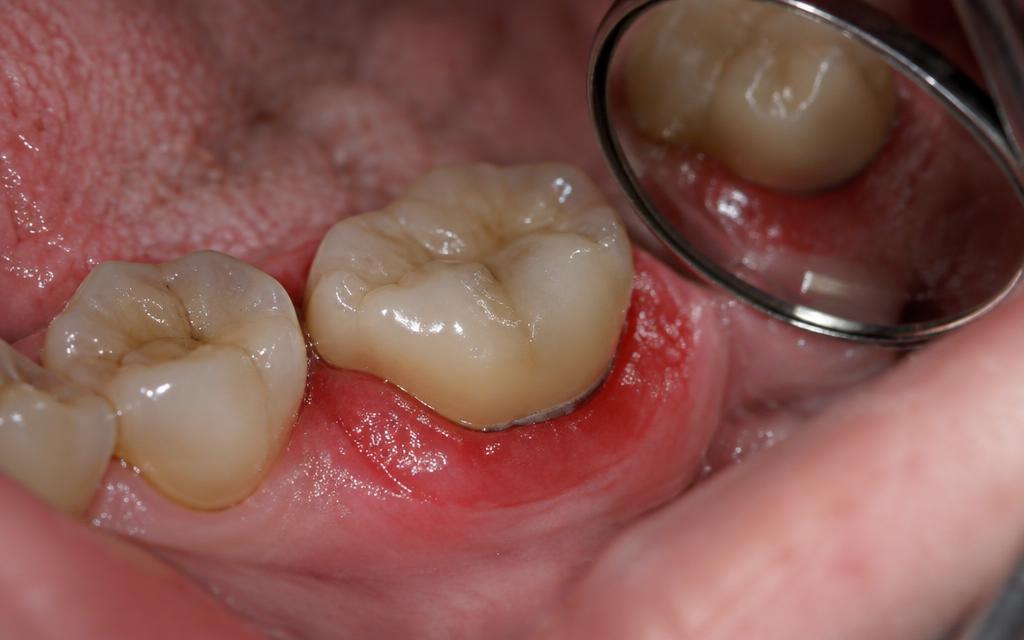
Swelling And Gum Inflammation
Swelling and gum inflammation reflect deeper oral health challenges that can significantly impact well-being. Inflammation connects to overall oral health by serving as a defense mechanism against infections or irritants.
For managing mild swelling at home, remedies like saltwater rinses are effective for reducing inflammation and promoting healing.
Additionally, cold compresses can reduce swelling while numbing discomfort, offering immediate relief.
Symptoms such as pain or discharge that persist may require evaluation by a dental provider to avoid complications like dental abscesses or systemic issues.
Home Remedies for Mild Swelling
Several practical home remedies may assist in alleviating mild swelling:.
- Saltwater Rinses: A mixture of salt and warm water can help reduce inflammation and cleanse the oral cavity.
- Cold Compresses: Applying a cold pack to the affected area may help decrease swelling and numb pain.
- Over-the-Counter Pain Relievers: Medications can be beneficial for temporary pain management and inflammation reduction.
When to Seek Professional Help
Persistent gum inflammation or symptoms like fever, pus, or localized heat indicate a level of severity that warrants professional assessment. Dental infections, if left untreated, can escalate, leading to more extensive treatments such as endodontic treatment or additional restorative measures. Monitoring symptoms closely contributes to better oral health outcomes.
What Causes Redness And Discomfort
Redness in the gums often signifies underlying conditions contributing to discomfort. Various factors can lead to gum irritation and inflammation:
Underlying Conditions Contributing to Redness
Understanding potential causes assists in identifying effective management strategies:.
- Periodontal Disease: Advanced stages can lead to chronic inflammation, swelling, and gum recession.
- Allergies: Reactions to dental products or foods may cause localized gum irritation.
- Infection: Dental infections can cause both redness and discomfort, frequently requiring urgent care.
Lifestyle Factors and Dietary Choices
Certain habits significantly influence gum health:.
- High-Sugar Diet: Can foster bacterial growth that leads to tooth decay and gum disease.
- Tobacco Use: Linked to increased risks for gum inflammation and overall dental health issues.
Soothing Discomfort at Home
To alleviate discomfort caused by redness and inflammation:.
- Gentle Brushing: Use a soft-bristled toothbrush to maintain oral hygiene without aggravating the gums.
- Warm Compresses: Applying warmth may provide relaxation and soothing effects on inflamed areas.
- Good Oral Hygiene: Regular brushing and flossing reduce the risk of gum disease and discomfort.
Continuous monitoring of symptoms like chronic pain or localized heat plays a pivotal role in maintaining oral health and avoiding complications. Engaging in preventive care through regular checkups and maintaining good oral hygiene directly impacts long-term outcomes.
Gum Health
- Studies indicate that nearly 50% of adults over 30 have some form of periodontal disease, highlighting the prevalence of gum inflammation.
- Regular use of saltwater rinses can reduce bacteria in the mouth, aiding in the prevention of gum disease.
- Research shows that individuals who smoke are three times more likely to develop gum disease compared to non-smokers.
- Maintaining good oral hygiene can reduce the risk of gum disease by 60%, emphasizing the importance of regular brushing and flossing.
When To Seek Urgent Care For Pain
Identifying the appropriate moments to seek urgent dental or medical care is essential for your well-being. Severe or rapidly worsening dental pain may signal a serious underlying condition that requires immediate attention.
Warning signs to seek urgent care include:
-
Significant facial swelling, particularly if it affects your eye, throat, or breathing
-
Difficulty swallowing or breathing
-
Fever combined with swelling or pus, suggesting a spreading infection
-
Persistent, severe pain that does not respond to over-the-counter pain relievers
Accompanying symptoms such as swelling, fever, or localized heat can heighten the urgency for treatment.
While you wait for care, consider managing your discomfort with safe over-the-counter medications, like ibuprofen.
Staying calm and monitoring changes in your symptoms is crucial during this critical time.
Recognizing Severity Through Pain Intensity
Understanding how pain intensity can indicate severity is vital for making informed decisions about your health. If pain is:
- Localized with swelling or redness
- Persistent over time
- Accompanied by systemic signs like fever or discharge
These may warrant an immediate visit to an urgent care facility.
Managing pain effectively while awaiting treatment can help minimize discomfort.
Always prioritize your health by listening to your body and seeking prompt medical help when needed.
Seeking Urgent Care for Pain
- According to the American College of Emergency Physicians, chest pain is one of the leading reasons for emergency room visits.
- Studies show that timely intervention for abdominal pain can significantly reduce the risk of complications.
- Trauma-related injuries, if untreated, can lead to long-term health issues and increased recovery time.
- Uncontrolled bleeding can result in severe health consequences, including shock and organ failure, if not addressed immediately.
Looking for more? Browse our full library of dental education resources.
Back to Education Center