
Dental impressions play a pivotal role in securing dental crowns. When executed poorly, these impressions may inadvertently lead to concerns about crown retention.
Many patients question whether dental impressions can unintentionally dislodge their crowns.
The connection between impressions and crown stability holds significant importance for overall oral health.
During dental procedures, accurately performed impressions ensure crowns fit securely, minimizing movement and discomfort. This article delves into the interaction between dental impressions and crowns, addressing common fears regarding their impact on crown retention.
Can Dental Impressions Affect Crown Stability
Effective impression techniques greatly enhance the stability of dental crowns.
Using high-precision impression materials can optimize the crown fitting, leading to durable results. Here are some essential factors to consider:
- Selection of Impression Materials: Choosing silicone over alginate can positively influence the crown’s dimensional stability and longevity.
- Accurate Patient Bite Registration: An accurate bite is critical during the impressions process. An erroneous registration can result in fitting issues that jeopardize crown stability.
- Utilization of Digital Scanning: Implementing digital scanning techniques can enhance impression accuracy, reducing the risk of errors.
In essence, adopting effective impression techniques and materials significantly contributes to ensuring optimal crown placement and durability.
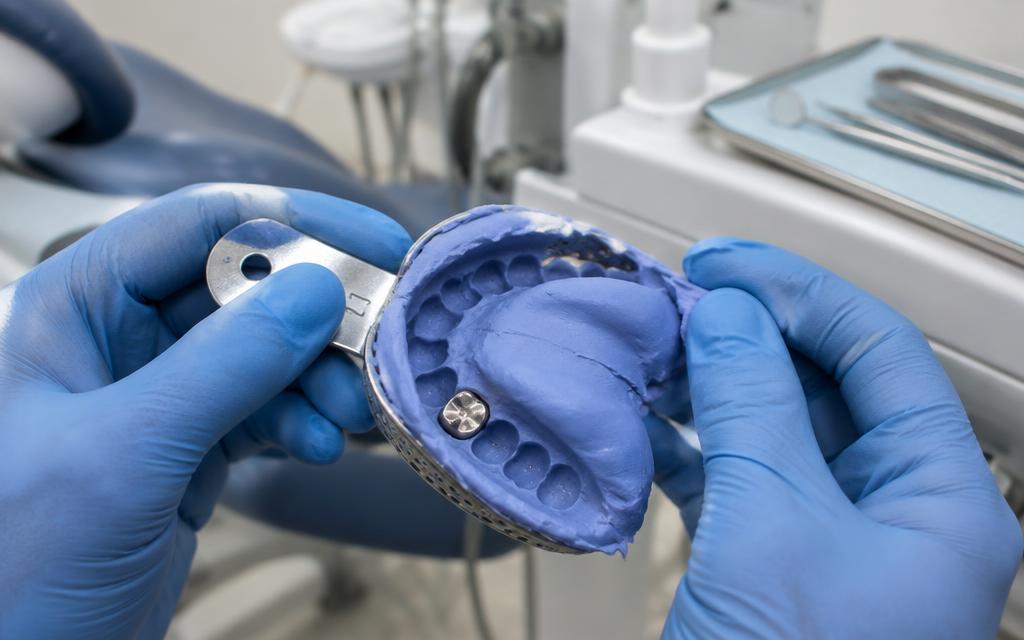
What Are The Risks Of Dental Impressions?
Understanding the potential risks linked to dental impressions is crucial for preserving patient safety and comfort. Poorly executed impressions frequently lead to inaccurate fits, which can result in complications, including painful crown failures. Patients may also experience discomfort, gag reflexes, or even unintentional dislodging of existing dental restorations.
Can Impressions Pull Out Crowns?
Yes, traditional dental impressions can sometimes pull out crowns, particularly if the cement seal is weak or the impression material adheres too firmly to the restoration. This risk is especially present when using high-viscosity materials in standard trays. If a crown dislodges during removal of the tray, it not only causes patient discomfort but may also require re-cementation or full replacement—delaying treatment and increasing costs.
Why Traditional Impressions Are Prone to Error
Standard impression methods rely on physical trays and putty-like materials that are sensitive to patient movement, moisture, and tray positioning. These variables introduce a margin of error that can compromise the accuracy of the impression. Inaccuracies can lead to ill-fitting restorations, discomfort, prolonged chair time, and the need for repeat appointments.
Digital Impressions Reduce Risk and Improve Comfort
Digital dental impressions eliminate the need for bulky trays and materials, significantly reducing the risk of dislodging crowns or inducing gag reflexes. Intraoral scanners capture precise 3D images of the teeth without exerting pressure on existing restorations. The non-invasive nature of digital scanning offers a smoother, faster, and more comfortable experience—especially for patients with anxiety or a strong gag reflex.
Digital Impressions and Crown Retention
Achieving optimal crown retention is a fundamental responsibility of dental technicians, and it begins with the accuracy of the impression.
Precision Scans Minimize Fitting Issues
Impression accuracy directly influences the fit of the final crown. Digital impressions—captured with advanced intraoral scanning technology—offer superior precision, reducing the likelihood of poor fits or premature crown failure. These accurate scans ensure the final restoration closely matches the original tooth structure, improving both stability and longevity.
Improved Occlusion and Force Distribution
Proper occlusion is essential to the success of a crown. Digital workflows enable better visualization of bite dynamics, helping technicians design crowns that distribute occlusal forces evenly. This improves comfort for the patient and reduces wear or loosening over time.
Resin Cements for Stronger Bonds
The use of modern resin cements in combination with precision-milled crowns enhances adhesion between the crown and the underlying tooth. These materials create a durable, long-lasting bond—critical for both fixed and removable restorations.
Benefits of a Fully Digital Workflow
Switching to a fully digital impression process not only reduces risks but also improves overall outcomes across the entire restorative workflow.
CAD/CAM Technology Enables Custom Fit
In digital dental labs, CAD/CAM technology allows for the quick, accurate design and milling of crowns tailored to each patient’s unique anatomy. This ensures the final restoration fits precisely, functions naturally, and meets high aesthetic standards.
Seamless Lab-Practitioner Communication
Digital impressions streamline communication between clinicians and technicians. Real-time case sharing, annotation tools, and immediate feedback capabilities ensure that the final product aligns with both clinical intent and patient expectations.
Reduced Remakes and Higher Patient Satisfaction
Digital workflows significantly reduce the need for remakes due to inaccurate impressions. The result is faster turnaround times, fewer follow-up appointments, and a more positive experience for both the practitioner and the patient.
Summary: Why Digital Impressions Are the New Standard
-
Reduced Risk: Digital impressions avoid the common pitfalls of traditional trays—no pulling out crowns, less discomfort, and fewer gag reflexes.
-
Higher Accuracy: Scanners capture highly detailed images, improving crown fit and retention.
-
Improved Workflow: Faster turnaround, better communication, and fewer remakes mean better outcomes.
-
Greater Patient Comfort: Non-invasive, mess-free scanning leads to a smoother experience for patients.
As dental technology evolves, digital impressions are becoming the new standard—offering superior accuracy, comfort, and clinical success compared to traditional methods.
Looking for more? Browse our full library of dental education resources.
Back to Education Center