
Why a Crown Hurts When Biting Even After Cementation
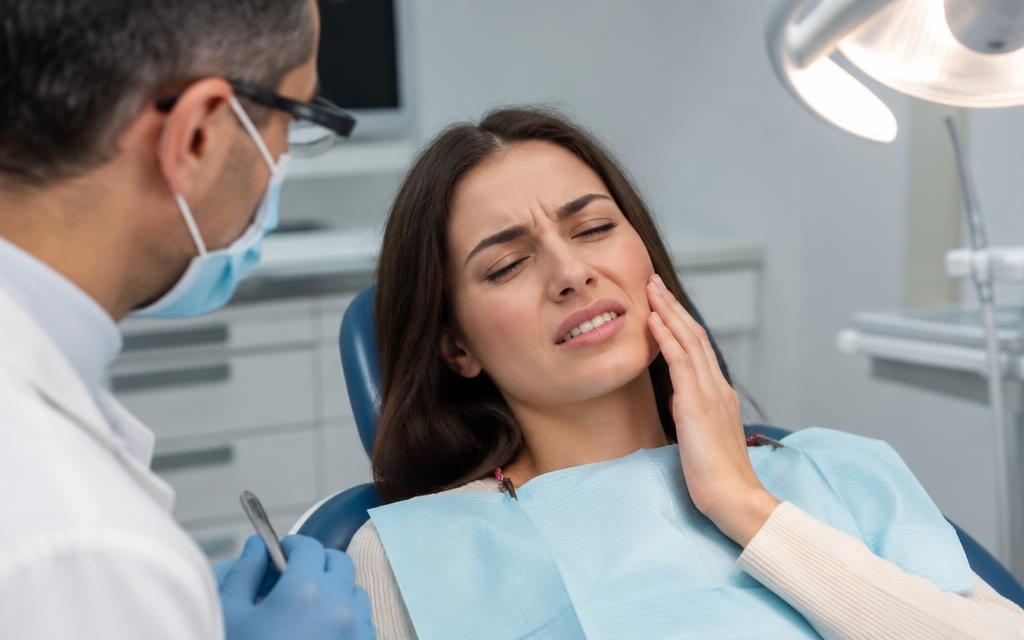
It can be concerning to feel pain when biting down after a dental crown has been cemented. Crowns are designed to restore normal function and comfort, so ongoing discomfort often signals that something about the fit or bite relationship needs attention rather than indicating a failure of the crown itself.
In most cases, pain when biting after crown placement is related to how the crown contacts opposing teeth. Even a small imbalance can create excessive pressure, leading to soreness or sharp discomfort during chewing.
Bite Height and Occlusion Issues
The most common cause of pain after crown cementation is a crown that sits slightly too high. This condition, known as high occlusion, occurs when the crown makes contact before the surrounding teeth during biting. Because chewing forces are concentrated on that single tooth, the ligament around the tooth can become inflamed, creating a bruised or tender sensation.
Patients often describe this as pain that only appears when biting or chewing, while the tooth may feel normal at rest. This type of discomfort does not usually resolve on its own and typically requires a simple bite adjustment.
Bite Misalignment and Uneven Pressure
Even if a crown does not feel obviously high, subtle bite misalignment can still cause discomfort. When the upper and lower teeth do not come together evenly, pressure may be distributed unevenly across the bite. Over time, this can strain the crowned tooth, surrounding teeth, and even the jaw muscles.
Signs of bite-related discomfort often include a feeling that the bite is “off,” soreness that increases throughout the day, or pain that is triggered only by certain chewing motions. Addressing these issues early helps prevent prolonged sensitivity and unnecessary wear on the teeth.
Crown Sensitivity After Placement
Some degree of sensitivity following crown placement is normal, particularly in the days immediately after cementation. The tooth and surrounding tissues may be temporarily irritated from the procedure itself. This sensitivity is usually mild and gradually improves.
However, sensitivity that is specifically triggered by biting pressure, rather than temperature changes, is less likely to be normal post-procedure discomfort. Persistent pain with chewing often points back to occlusion rather than nerve irritation alone.
When Pain May Indicate a Larger Issue
While bite problems account for most cases of post-cementation discomfort, ongoing or worsening pain can occasionally indicate other concerns. An improper fit, irritation from dental cement, or inflammation of the tooth’s nerve may contribute to symptoms that do not improve with time.
Pain that occurs without biting, becomes constant, or is accompanied by swelling should always be evaluated promptly by a dentist.
Crown Adjustment Timeline and What to Expect
If a crown is causing pain because it is too high, the solution is usually straightforward. A dentist can adjust the bite by selectively reshaping the crown surface so that it contacts evenly with the surrounding teeth. In many cases, relief is immediate or noticeable within a short period after the adjustment.
Delaying evaluation can prolong discomfort and place unnecessary stress on the tooth, so early correction is recommended.
When to Contact Your Dentist
If pain when biting persists beyond a few days, feels sharp or localized, or gives the impression that the bite is uneven, a follow-up visit is important. Bite adjustments are common after crown placement and are considered part of ensuring a comfortable, functional restoration.
For more information on crown fit concerns, bite issues, and common restoration-related symptoms, visit our Dental Education Hub, where related topics are organized to help patients better understand treatment outcomes and next steps.
Looking for more? Browse our full library of dental education resources.
Back to Education Center