
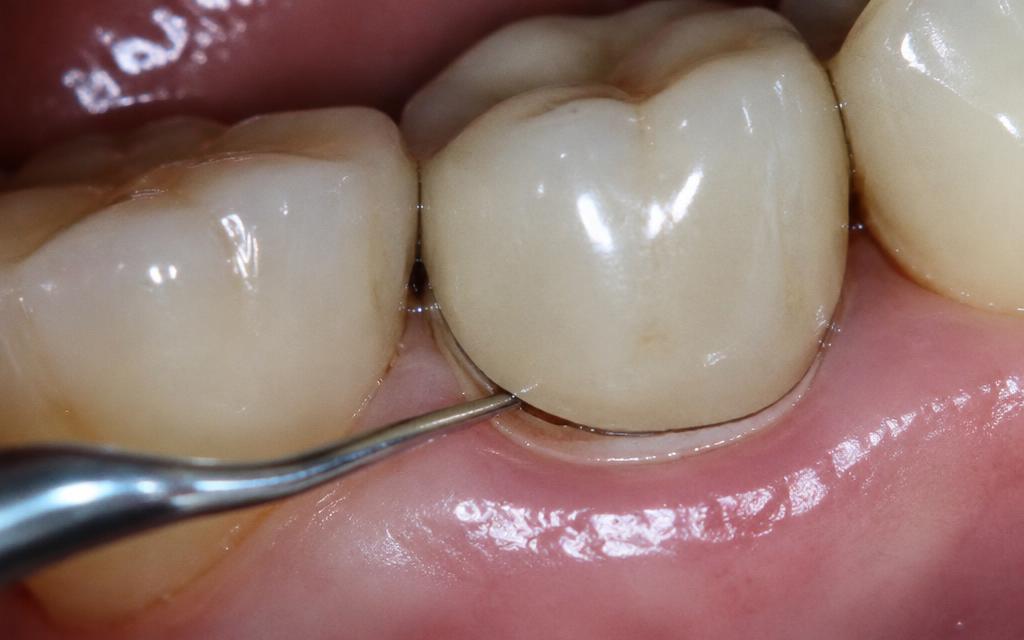
Dental crowns are designed to fully seal and protect a tooth, restoring both function and durability. When a crown has an open margin, however, that protective seal is compromised. An open margin occurs when the edge of the crown does not fit tightly against the natural tooth, leaving a small gap where bacteria and debris can enter.
While these gaps may not always be visible or immediately painful, they can significantly affect the long-term health of the tooth and surrounding tissues.
What Is an Open Margin?
An open margin refers to a space between the crown and the tooth at the edge where they should meet seamlessly. Ideally, the crown margin should closely adapt to the tooth to prevent leakage and protect against decay.
When this seal is incomplete, plaque and bacteria can accumulate beneath the crown, increasing the risk of decay that is hidden from view.
Common Causes of Open Margins
Open margins can occur for several reasons. Inadequate tooth preparation may prevent the crown from seating fully, while improper seating during placement can leave gaps even if the crown itself is well made. Margins may also appear open if excess cement interferes with seating or if the crown contours do not align precisely with the tooth.
Over time, bite forces or cement breakdown can worsen a small discrepancy that was not initially obvious.
Why Open Margins Matter
An open margin is more than a cosmetic concern. Bacteria that enter the space between the crown and tooth can lead to decay that progresses unnoticed until significant damage occurs. This type of decay often compromises the tooth underneath the crown, sometimes requiring crown replacement or more extensive treatment.
Open margins may also contribute to gum irritation, inflammation, or sensitivity around the crowned tooth.
Signs an Open Margin May Be Present
Patients may not always feel an open margin, but warning signs can include persistent gum irritation near the crown, food catching at the edge, or sensitivity that does not improve over time. In some cases, the issue is only detected during a routine dental examination or on X-rays.
When an Open Margin Needs Attention
Not all marginal discrepancies require immediate replacement, but any confirmed open margin should be evaluated carefully. Early detection allows dentists to determine whether monitoring, repair, or replacement is the best course of action.
Addressing open margins promptly helps preserve the tooth and avoid more complex treatment later.
Protecting Crown Longevity
Regular dental checkups play an essential role in identifying marginal issues early. Good oral hygiene also helps limit bacterial buildup around crown margins, reducing the risk of complications.
For more information on crown fit concerns, margin issues, and common restoration problems, visit our Dental Education Hub, where related topics are organized to help patients better understand treatment outcomes and next steps.
Looking for more? Browse our full library of dental education resources.
Back to Education Center