
It is not uncommon for a dental crown to feel “too high” after it has been placed. This sensation can make chewing uncomfortable and may cause soreness or pressure in the tooth. While this can be concerning, a high bite is a common and typically easy issue to correct.
Understanding the bite adjustment timeline helps patients know what to expect and when to seek follow-up care.
Why a Crown Can Feel Too High
A crown feels too high when it contacts the opposing tooth before the surrounding teeth do. Even a very small height difference can concentrate biting forces on one tooth, leading to discomfort when chewing or clenching.
This usually happens because the bite changes slightly once the crown is permanently cemented. Anesthesia, swelling, or subtle shifts in how the teeth meet can make a crown feel normal in the office but uncomfortable afterward.
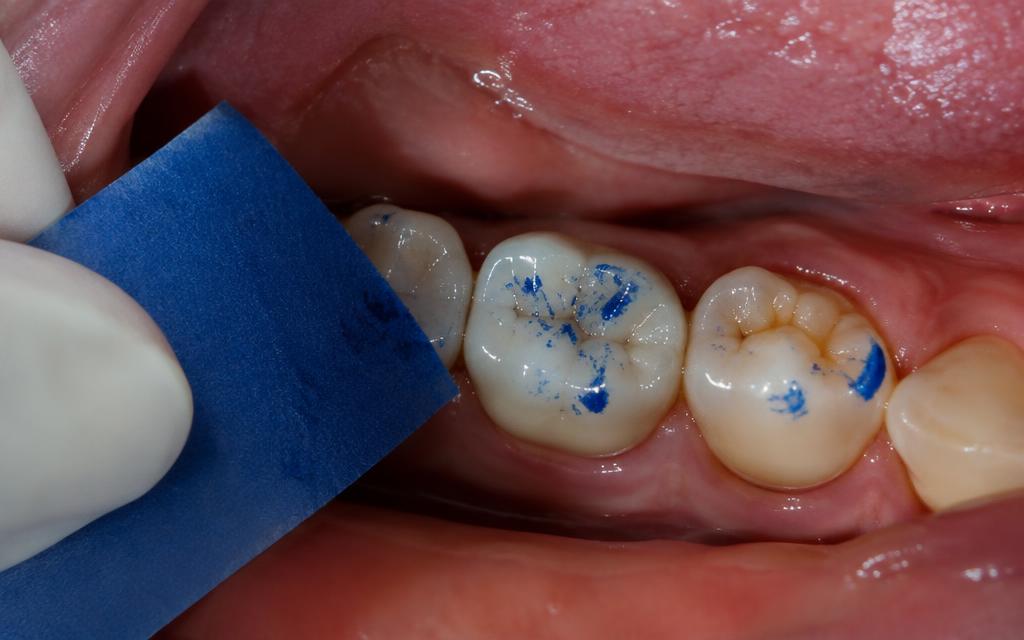
When Bite Adjustments Typically Occur
In many cases, bite issues are identified immediately after crown placement and corrected the same day. Dentists routinely check how the crown contacts opposing teeth before dismissing the patient.
If discomfort appears after the appointment, adjustments are commonly performed within the first few days. Patients should not wait weeks hoping the bite will “settle,” as high bite discomfort does not usually resolve on its own.
What a Bite Adjustment Involves
A bite adjustment is a simple chairside procedure. The dentist identifies areas where the crown contacts too heavily and carefully reshapes the surface so the bite is evenly balanced.
The process is quick and conservative. In most cases:
-
The crown does not need to be replaced
-
Relief is immediate or felt within a day
-
Normal chewing comfort returns quickly
How Long Discomfort Should Last
Mild tenderness may linger briefly if the tooth ligament was irritated, but sharp or persistent pain should improve rapidly after adjustment. If pain continues beyond a few days, a follow-up evaluation is important to rule out additional issues.
Why Timely Adjustment Matters
Leaving a high crown unadjusted can lead to prolonged tooth soreness, jaw discomfort, uneven tooth wear, or headaches. Early correction protects the tooth and helps ensure the crown functions comfortably long term.
When to Contact Your Dentist
You should contact your dentist if:
-
The crown hurts when biting or chewing
-
The bite feels uneven or unstable
-
Discomfort persists beyond a few days
Bite adjustments are a normal part of crown care and are not a sign that something went wrong.
For more information on crown fit concerns, bite adjustments, and common restoration issues, visit our Dental Education Hub, where related topics are organized to help patients better understand treatment outcomes and next steps.
Looking for more? Browse our full library of dental education resources.
Back to Education Center